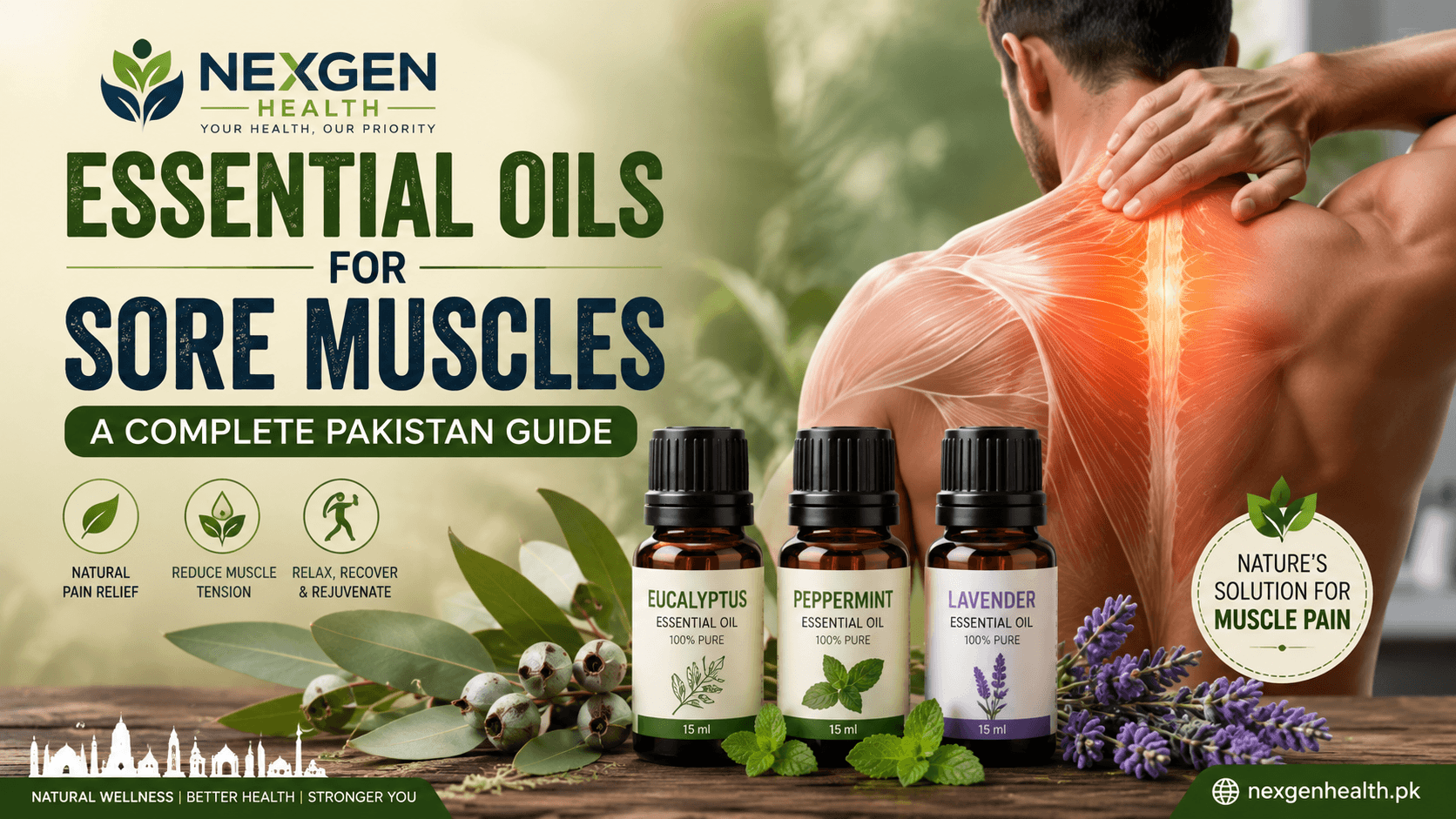
What is DOMS and Why Does It Happen?
Delayed onset muscle soreness (DOMS) commonly occurs after intense exercise, especially movements involving eccentric muscle contractions. This post-workout discomfort affects athletes and fitness enthusiasts alike, making muscle recovery strategies essential.
DOMS usually peaks between 24 and 48 hours after exercise.
The DOMS Timeline
- 8–24 Hours: Soreness begins as microscopic muscle damage triggers inflammation.
- 24–48 Hours: Peak discomfort — the critical window for recovery intervention.
- 48–72 Hours: Recovery phase where proper support accelerates healing.
Recommended Muscle Recovery Products
Before we dive into essential oils, here are NexGen Health's specialized formulations designed to complement your natural recovery routine:
EMB Gel
Fast-acting topical relief for muscle and joint pain. This targeted gel provides cooling comfort exactly where you need it, making it perfect for immediate post-workout application.
OrthoMov Cream
Supports stiffness and mobility recovery with a specialized blend. Ideal for targeting specific muscle groups affected by DOMS.
OrthoMov Tablet
Daily support for joint and muscle health from within. Combines beautifully with topical essential oil treatments for comprehensive recovery.
MAC UP Tablet
Supports energy and muscular recovery, helping your body bounce back faster after intense training sessions.
Top 5 Essential Oils for Muscle Recovery
These evidence-backed essential oils can enhance your recovery routine when used properly with carrier oils and complementary products like EMB Gel:
1. Peppermint Oil
Menthol provides a cooling sensation and may help reduce muscle soreness. Research indicates peppermint's analgesic properties make it particularly effective during the first 24 hours post-exercise. The cooling effect works synergistically with products like EMB Gel for enhanced relief.
2. Eucalyptus Oil
Known for anti-inflammatory and pain-relieving properties, eucalyptus contains 1,8-cineole, a compound that supports recovery during the peak DOMS window (24-48 hours).
3. Lavender Oil
Supports relaxation, sleep quality, and recovery. Since muscle repair occurs primarily during deep sleep, lavender's calming properties make it essential for nighttime application.
4. Ginger Oil
Creates a warming effect that may improve circulation and nutrient delivery to recovering muscles. Particularly beneficial during the 48-72 hour recovery phase.
5. Chamomile Oil
Contains compounds associated with inflammation support. Roman and German chamomile both offer recovery benefits, with German chamomile showing particularly strong anti-inflammatory activity.
Recovery Blend Recipe
Create your own muscle recovery blend by mixing the following into 30ml carrier oil (coconut, jojoba, or sweet almond oil work well):
- 5 drops Peppermint Oil (cooling relief)
- 4 drops Eucalyptus Oil (anti-inflammatory)
- 4 drops Lavender Oil (relaxation)
- 2 drops Ginger Oil (circulation)
- 30ml Carrier Oil (dilution base)
When to Apply
Apply immediately after exercise and again before sleep for best results. For enhanced recovery, alternate between your essential oil blend and OrthoMov Cream throughout the day.
Pro Tip: Store your blend in a dark glass bottle away from direct sunlight to preserve potency for up to 6 months.
72-Hour Recovery Protocol
Follow this systematic approach for maximum muscle recovery benefits:
- Immediately After Exercise (0-2 hours): Apply peppermint and eucalyptus blend to affected muscles. Follow with EMB Gel for fast-acting relief. Hydrate and consume protein within 30 minutes.
- 8–24 Hours: Reapply essential oil blend every 4-6 hours. Perform gentle stretching and light movement. Take OrthoMov Tablet with meals for internal support.
- 24–48 Hours (Peak DOMS): Use lavender blend before sleep to support overnight recovery. Apply OrthoMov Cream to specific problem areas. Continue with MAC UP Tablet for energy support.
- 48–72 Hours: Continue treatment with reduced frequency (2-3 times daily). Add ginger oil if circulation needs a boost. Resume light training if soreness has decreased significantly.
What Research Shows
Scientific evidence supports the use of essential oils for muscle recovery:
Eucalyptus
Studies suggest pain-relieving benefits comparable to conventional topical analgesics. A 2013 study found eucalyptus oil reduced inflammation markers and improved pain tolerance.
Ginger
May improve pain and mobility outcomes. Research published in the Journal of Pain showed daily ginger supplementation reduced exercise-induced muscle pain by 25%.
Chamomile
Associated with anti-inflammatory activity through compounds like bisabolol and chamazulene, which inhibit inflammatory pathways similar to NSAIDs.
Lavender
Supports sleep quality and recovery. Studies show lavender aromatherapy increases deep sleep duration by up to 20%, when muscle repair is most active.
Peppermint
Provides cooling and temporary pain relief through menthol's activation of cold-sensitive receptors. Clinical trials demonstrate 2-3% topical peppermint reduces perceived muscle soreness.
Safety Guide
Essential oils are potent compounds requiring proper handling:
- Always dilute essential oils before use — 2-3% dilution (12-18 drops per 30ml carrier oil) is ideal for muscle application.
- Avoid ingesting essential oils unless under professional guidance. Topical and aromatic use is safest.
- Perform a patch test before first application. Apply diluted oil to inner forearm and wait 24 hours.
- Store oils properly — keep away from heat and sunlight in dark glass bottles with tight lids.
- Consult healthcare professionals for chronic pain, during pregnancy, or if taking medications.
- Avoid sensitive areas — keep away from eyes, mucous membranes, and broken skin.
- Watch for allergic reactions — discontinue use if redness, itching, or irritation occurs.
For comprehensive muscle and joint support, combine essential oils with NexGen Health's specialized recovery products.
Frequently Asked Questions
Do essential oils actually help with DOMS?
Some oils show promising evidence for reducing soreness and improving recovery comfort. While they won't eliminate DOMS entirely, research indicates they can reduce perceived pain by 20-30% when used consistently. Combining essential oils with products like OrthoMov Cream may enhance results.
Peppermint or eucalyptus — which is better?
Peppermint works quickly with immediate cooling relief, while eucalyptus may provide longer-lasting anti-inflammatory support. For best results, use both in your recovery blend as they complement each other's mechanisms.
How long do essential oils take to work?
Many users notice effects within 5-15 minutes of application, particularly with peppermint's cooling sensation. Anti-inflammatory benefits from eucalyptus and ginger may take 30-60 minutes to become apparent.
Can I use essential oils daily?
Yes, when properly diluted and used according to safety guidelines. Rotate between different oils to prevent sensitization. Daily use of OrthoMov Tablet provides complementary internal support.
Can I use essential oils with other recovery products?
Absolutely! Essential oils work synergistically with topical products like EMB Gel. Apply the gel first, allow it to absorb, then follow with your essential oil blend for layered relief.
What's the best carrier oil for muscle recovery?
Coconut oil (anti-inflammatory), arnica oil (bruising), and jojoba oil (quick absorption) are excellent choices. Sweet almond oil offers a good all-purpose option with moderate absorption.
Final Thoughts
Essential oils can be a valuable addition to a comprehensive muscle recovery routine when combined with adequate rest, hydration, nutrition, and proper training practices. While they provide symptomatic relief and support natural healing processes, they work best as part of a holistic approach.
For optimal results, integrate essential oils with NexGen Health's specialized recovery products:
- Use EMB Gel for immediate post-workout relief
- Apply OrthoMov Cream to targeted areas during peak DOMS
- Take OrthoMov Tablet daily for internal joint and muscle support
- Supplement with MAC UP Tablet for enhanced energy and recovery
Remember: Recovery is not just about managing soreness—it's about creating conditions for your body to adapt, strengthen, and perform better. Listen to your body, stay consistent with your recovery protocols, and don't hesitate to consult healthcare professionals for persistent or severe muscle pain.