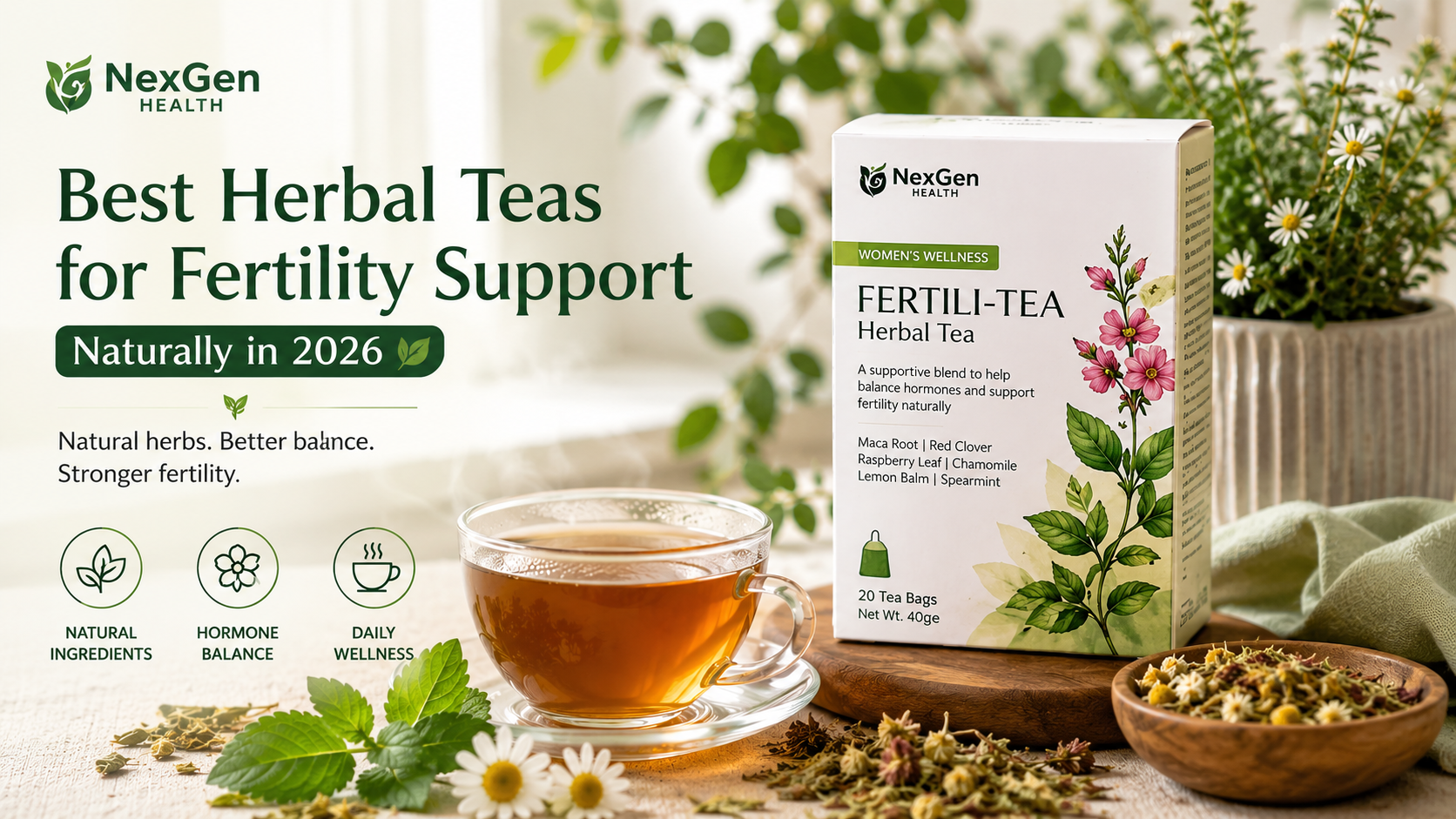
For many women in Pakistan, fertility challenges are closely linked to hormonal imbalances, stress, irregular menstrual cycles, and conditions such as PCOS. While herbal teas are not a replacement for medical treatment, certain ingredients can support overall reproductive health when combined with a healthy lifestyle.
Among the most promising options are lemongrass tea, spearmint tea, and acacia honey. Together, they offer antioxidant support, hormonal balance benefits, and a healthier alternative to sugar-laden beverages. This guide explains how these ingredients may support fertility and how to incorporate them into a daily routine.
Why Daily Tea Habits Matter
Most Pakistani households consume multiple cups of chai every day. While tea itself is not harmful, excessive sugar and caffeine intake may contribute to blood sugar fluctuations, increased stress hormone levels, and disrupted sleep patterns.
Hormonal health is influenced by daily habits. Replacing some traditional sweetened beverages with herbal alternatives can support better metabolic and reproductive health over time. Small, consistent changes often have a greater long-term impact than short-term wellness trends.
Lemongrass Tea and Fertility Support
Lemongrass is widely used in cooking and traditional wellness practices, yet it is often overlooked as a fertility-supportive herb.
One of its biggest advantages is its antioxidant content. Lemongrass contains beneficial plant compounds such as flavonoids and phenolic acids that help combat oxidative stress. Oxidative stress can negatively affect overall reproductive health and may influence egg quality.
Another important benefit is its calming effect. Chronic stress can interfere with the hormonal signals responsible for ovulation. Lemongrass contains naturally occurring compounds that may promote relaxation and help reduce feelings of stress. While it is not a treatment for anxiety, many women find it soothing as part of an evening routine.
Lemongrass also supports digestion and overall wellness. Healthy digestion plays a role in nutrient absorption and the body's natural hormone-regulation processes. Because it is naturally caffeine-free, it can be enjoyed in the evening without affecting sleep.
Benefits of Lemongrass Tea
- Rich in antioxidants
- Naturally caffeine-free
- May help reduce stress
- Supports digestive health
- Suitable for evening consumption
Spearmint Tea and PCOS
Among herbal teas, spearmint has attracted significant attention for its potential effects on hormone balance, especially in women with PCOS.
Research suggests that regular consumption of spearmint tea may help reduce elevated androgen levels. High androgen levels are often associated with common PCOS symptoms such as acne, excessive facial hair growth, scalp hair thinning, and irregular menstrual cycles.
Studies involving women with PCOS found improvements in hormone markers after drinking spearmint tea consistently over several weeks. Although more research is needed, the findings are encouraging and have made spearmint one of the most commonly recommended herbal teas for hormone support.
It is important to understand that results do not appear overnight. Hormonal changes occur gradually, and consistency is essential. Drinking spearmint tea occasionally is unlikely to produce noticeable benefits. Women looking for additional nutritional support alongside dietary changes like this can explore Ovarise Sachet, formulated with Myo-Inositol and D-Chiro Inositol to support PCOS-related hormonal balance.
Potential Benefits of Spearmint Tea
- Supports hormonal balance
- May help reduce excess androgen activity
- Caffeine-free
- Rich in antioxidants
- Can be consumed morning or evening
Acacia Honey: A Better Sweetening Option
Many people enjoy sweetening their tea, but the type of sweetener used can make a difference.
Acacia honey is known for its mild flavour and relatively lower glycaemic index compared with refined sugar. Because it causes a gentler rise in blood sugar levels, it may be a more suitable option for women trying to support insulin balance.
This is especially relevant for women with PCOS, where insulin resistance often plays a significant role. Replacing refined sugar with small amounts of acacia honey may help create a more fertility-friendly daily routine.
Acacia honey also contains naturally occurring antioxidants that contribute to overall wellness. While it should still be consumed in moderation, it can be a healthier alternative to processed sweeteners.
Why Choose Acacia Honey?
- Lower glycaemic impact than refined sugar
- Contains natural antioxidants
- Mild flavour complements herbal teas
- Supports healthier beverage choices
- Easily incorporated into daily routines
Creating a Simple Fertility Tea Routine
Consistency is more important than complexity. A straightforward routine is easier to maintain and more likely to produce long-term benefits.
Morning
Start the day with one cup of spearmint tea. This can become a refreshing alternative to a second cup of caffeinated tea or coffee.
Afternoon
Enjoy a second cup of spearmint tea if managing PCOS-related symptoms. This mirrors the intake commonly used in research studies.
Evening
Drink one cup of lemongrass tea sweetened with a small amount of acacia honey. This combination can promote relaxation and provide a calming end to the day.
By following this routine consistently for several weeks, women may begin to notice improvements in energy levels, sleep quality, and overall well-being.
What Results Can You Expect?
Herbal teas are supportive tools rather than quick fixes. Their effects are generally gradual and depend on consistency, lifestyle habits, and individual health conditions.
First Few Weeks
During the first two to three weeks, many women notice improved hydration, better digestion, and a greater sense of relaxation. Some also report fewer cravings for sugary beverages.
One to Two Months
Women managing PCOS may begin noticing improvements in skin health, reduced oiliness, or more predictable menstrual patterns. Sleep quality and daily energy levels may also improve.
Three Months and Beyond
Long-term consistency is where the greatest benefits typically appear. Healthier lifestyle habits, combined with supportive herbal teas, may contribute to improved hormonal balance and overall reproductive wellness.
The Role of Stress in Fertility
Stress is often underestimated when discussing fertility. However, chronic stress can influence reproductive hormones and disrupt normal menstrual cycles.
When the body experiences ongoing stress, cortisol levels remain elevated. High cortisol levels can interfere with the hormonal signals responsible for ovulation and reproductive function.
This is one reason why relaxation-focused wellness habits matter. A calming evening tea routine, regular sleep, physical activity, and balanced nutrition all contribute to a healthier hormonal environment.
Lemongrass tea may help support relaxation, while spearmint tea can assist with hormonal balance. Together, they provide a simple way to support overall wellness during the fertility journey.
Frequently Asked Questions
How much spearmint tea should I drink?
Most research has used two cups per day. Consistency is more important than consuming large amounts.
Can I drink these teas while trying to conceive?
Many women include spearmint and lemongrass tea in their fertility-supportive routines. However, anyone actively trying to conceive or undergoing fertility treatment should consult a healthcare professional.
Is lemongrass tea safe during pregnancy?
Women should discuss herbal tea use with their healthcare provider once pregnancy is confirmed, as recommendations may vary depending on individual circumstances.
Can herbal teas cure PCOS?
No. PCOS is a complex medical condition that requires professional management. Herbal teas may support overall wellness but should not replace medical treatment. For structured nutritional support, explore the Women's Health range at NexGen Health.
Is acacia honey better than sugar?
Acacia honey generally has a lower glycaemic impact than refined sugar and contains natural antioxidants, making it a more supportive option when used in moderation.
Final Thoughts
Fertility wellness is influenced by many factors, including nutrition, stress management, sleep, physical activity, and medical care. While no single tea can guarantee results, lemongrass tea, spearmint tea, and acacia honey can become valuable additions to a balanced lifestyle.
Spearmint tea offers promising support for women managing hormonal imbalances and PCOS. Lemongrass tea provides antioxidant and relaxation benefits, while acacia honey serves as a more mindful alternative to refined sugar.
The key is consistency. Small daily habits, maintained over time, often create the strongest foundation for long-term hormonal and reproductive health. For women looking to pair these habits with targeted nutritional support, Ovarise Tablet and Ovarise Sachet are available at NexGen Health.
This article is for educational and informational purposes only and does not constitute medical advice. Please consult a qualified healthcare provider before making changes to your diet or supplement routine. Individual results vary.