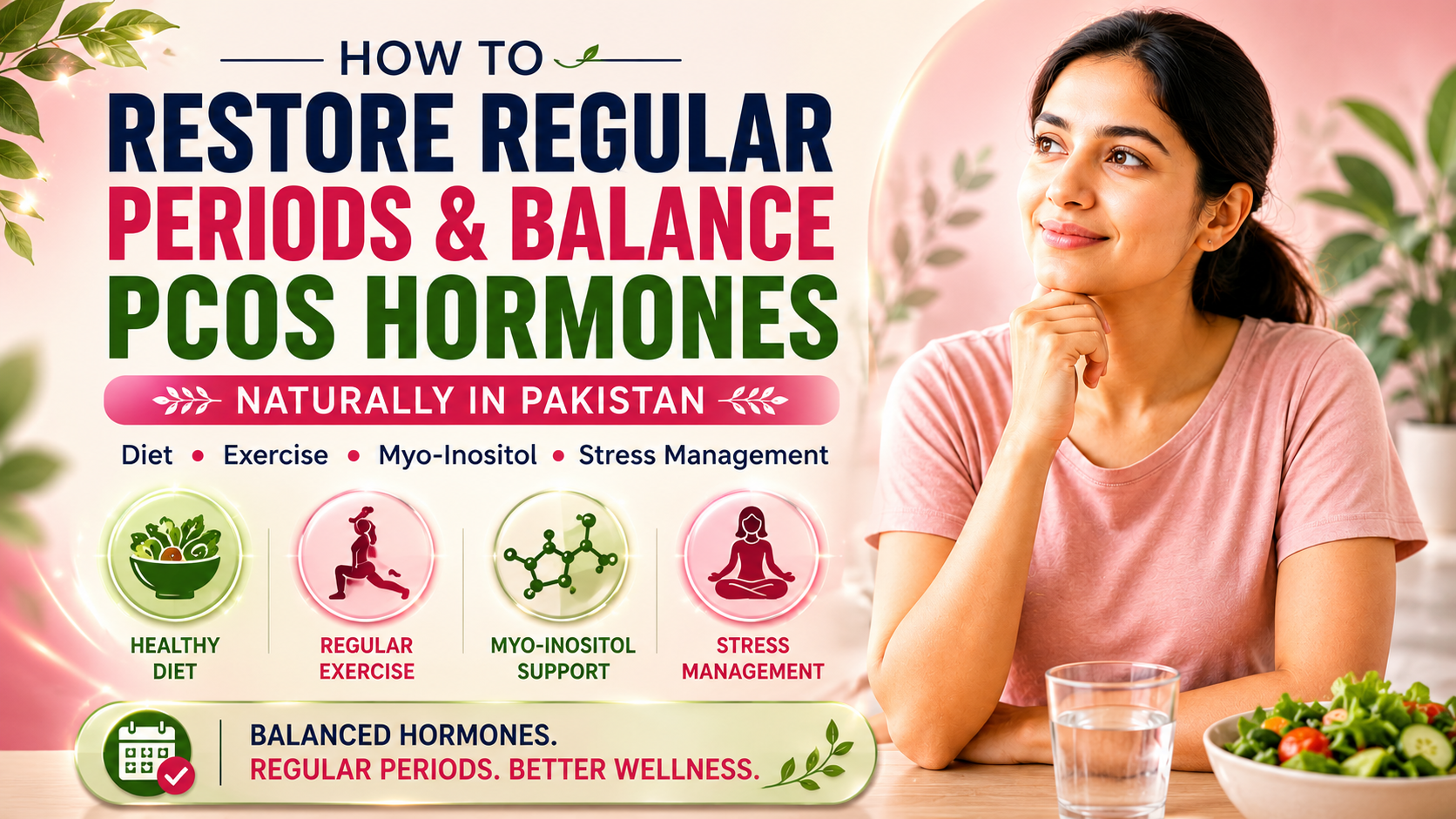
Polycystic Ovary Syndrome, commonly called PCOS, affects many women across Pakistan during their reproductive years. It can cause irregular periods, hormonal imbalances, acne, weight gain, and difficulties with ovulation. Since PCOS affects women differently, management usually requires a personalised approach based on symptoms, lifestyle, and health goals.
In Pakistan, many women look for practical solutions because daily routines, food choices, stress, and activity levels can influence PCOS symptoms. If you are searching how to treat PCOS naturally in Pakistan, developing healthier habits can become an important part of supporting your overall wellbeing.
Natural PCOS management focuses on improving different areas together, including nutrition, movement, sleep quality, stress control, and targeted nutritional support. Instead of expecting immediate results, consistent lifestyle improvements can help create a healthier foundation over time.
For women looking for wellness products designed to support women's health needs, NexGen Health provides nutritional solutions that complement a balanced lifestyle.
What is PCOS and Why Does Insulin Resistance Cause Period Delays?
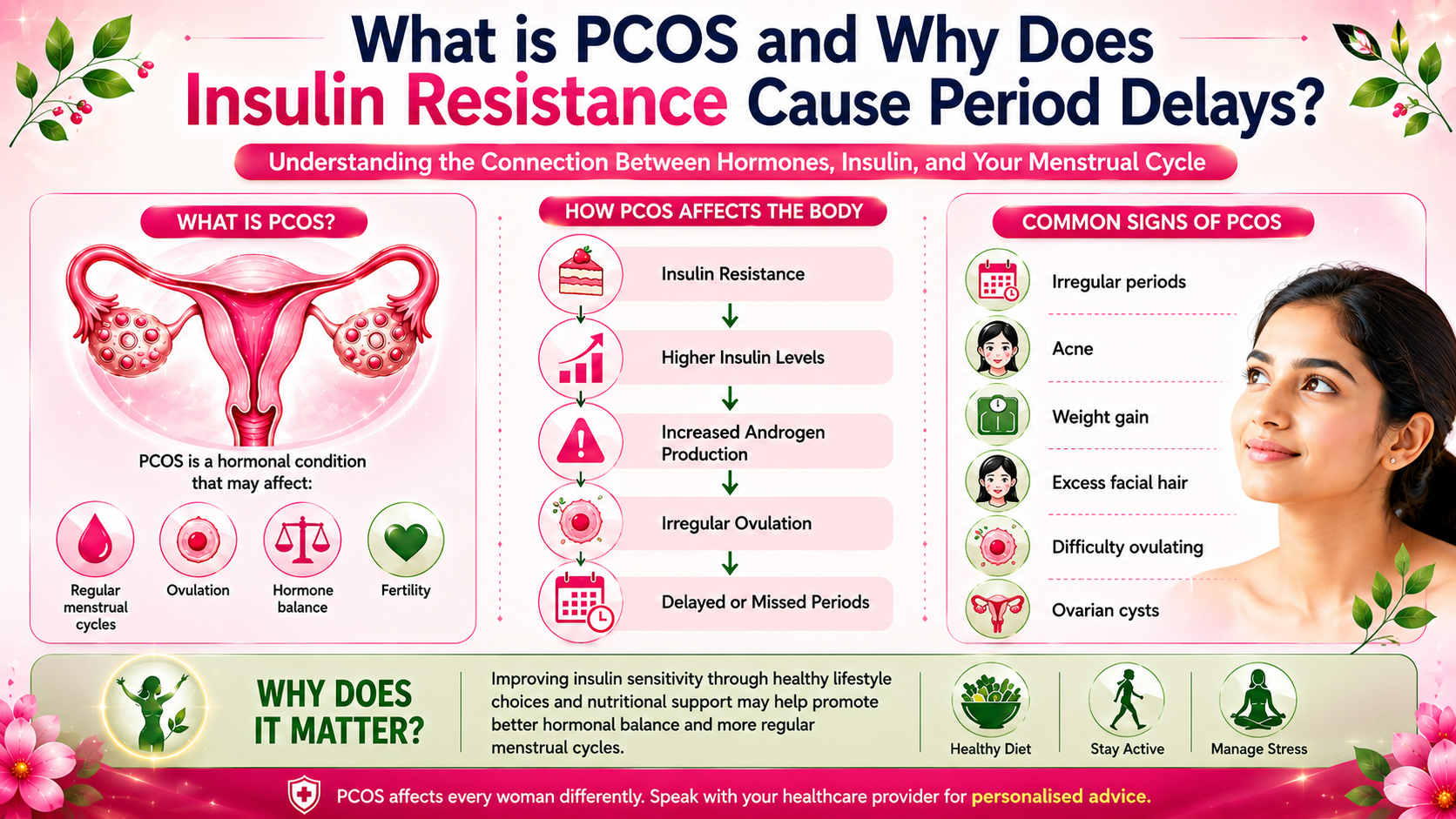
PCOS affects the communication between hormones and the ovaries. During a regular menstrual cycle, hormonal signals help the ovaries prepare and release an egg. With PCOS, these signals may become disrupted, which can make ovulation less consistent.
When ovulation does not occur regularly, periods may arrive later than expected or become difficult to predict. Period patterns can vary, with some women having irregular timing and others experiencing skipped cycles.
One factor commonly associated with PCOS is insulin resistance. Insulin helps transport glucose from the bloodstream into cells where it can be used as fuel. In some women, the body's response to insulin becomes less efficient, which may cause the body to produce additional insulin.
Higher insulin activity can affect ovarian hormone patterns. This may increase androgen activity and interfere with the normal ovulation process. As a result, hormonal changes may contribute to delayed periods and other PCOS-related symptoms.
This is why many women searching for PCOS period delay treatment look beyond menstrual symptoms and focus on improving overall metabolic health. Supporting healthy eating habits, maintaining physical activity, and addressing lifestyle factors may help the body function more effectively.
4 Proven Clinical Steps: Diet, Exercise, Myo-Inositol, and Stress Management
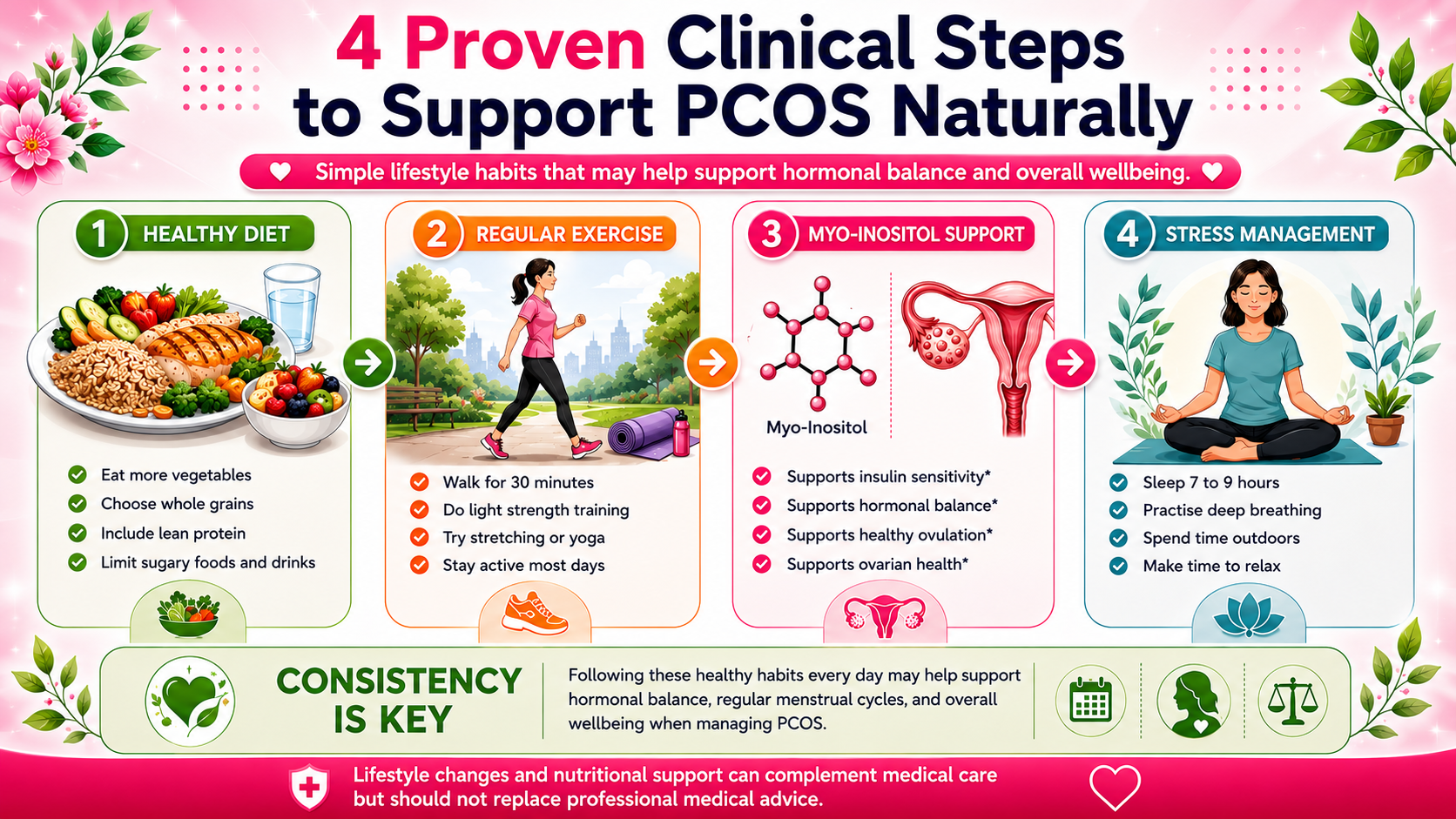
A complete PCOS routine involves multiple areas of daily health. Improving nutrition, staying active, managing stress, and choosing appropriate supplements can work together to support better lifestyle outcomes.
1. Create a Nutrient-Focused Eating Pattern
Daily food choices can influence energy, cravings, and metabolic health. For women with PCOS, the aim should be to create meals that provide steady nourishment rather than following temporary diet trends.
Helpful options include:
- Protein sources such as eggs, chicken, fish, and lentils.
- Fibre-rich vegetables and fruits.
- Healthy fats from seeds, nuts, and natural oils.
- Whole grain foods in suitable portions.
Pakistani cuisine offers many nutritious choices that can be adapted for PCOS-friendly eating. Familiar meals do not need to be completely removed. Simple improvements, such as adding more vegetables, including adequate protein, and reducing frequent sugary items, can improve the overall quality of meals.
A sustainable eating style is usually easier to maintain than strict food restrictions. The focus should be on building habits that fit naturally into everyday life.
Reducing highly processed snacks and excessive sugary drinks may also support better dietary patterns and help avoid frequent energy changes throughout the day.
2. Add Consistent Physical Activity
Movement is an important part of supporting PCOS health. Regular activity can help improve fitness, support weight management, and encourage healthier metabolic function.
Exercise does not need to involve complicated training plans. Women can choose activities that match their lifestyle and gradually build consistency.
Useful options include:
- Daily walks.
- Home-based strength exercises.
- Cycling.
- Yoga.
- Light cardio activities.
For busy women, small changes can make a difference. Taking short walks, staying active during daily tasks, or setting aside dedicated exercise time can help create a more active routine.
Strength-based activities may also support muscle health, which plays an important role in how the body manages energy.
3. Consider Myo-Inositol for PCOS Nutritional Support
Among PCOS-related nutrients, Myo-Inositol has received significant research attention because of its connection with metabolic processes and reproductive health.
Myo-Inositol is a naturally occurring compound involved in cellular communication within the body. Research has explored its potential role in supporting insulin activity, ovarian function, and regular menstrual patterns in women with PCOS.
Many PCOS supplements combine Myo-Inositol with D-Chiro Inositol. Some formulations use a 40:1 ratio, which has been studied for its possible role in supporting nutritional needs associated with PCOS.
Women searching for a PCOS weight loss supplement should understand that weight management with PCOS involves several factors. A supplement alone is not a replacement for healthy food choices, regular movement, and consistent daily habits.
Instead, nutritional support can be considered as one part of a broader wellness strategy. Selecting products with researched ingredients and using them according to recommended instructions can help women make informed choices.
Women looking for PCOS-focused nutritional support can explore the PCOS Management range from NexGen Health designed to complement a healthy routine.
4. Improve Sleep Quality and Manage Daily Stress
PCOS management is not limited to diet and exercise. Daily stress levels and sleeping patterns can also influence how easily women maintain healthy routines.
Managing work, family, and daily tasks can sometimes push self-care into the background. Creating simple habits for relaxation and better rest can support overall lifestyle consistency.
Helpful practices may include:
- Following a regular sleep schedule.
- Taking time for relaxing activities.
- Practising breathing exercises.
- Reducing unnecessary screen exposure before bedtime.
- Maintaining supportive social connections.
Quality sleep can influence energy levels, mood, and motivation throughout the day. When the body receives proper rest, maintaining healthy eating and activity habits may become easier.
Small improvements repeated consistently can become valuable parts of a long-term PCOS management approach.
A Helpful Option for Daily Hydration & Care
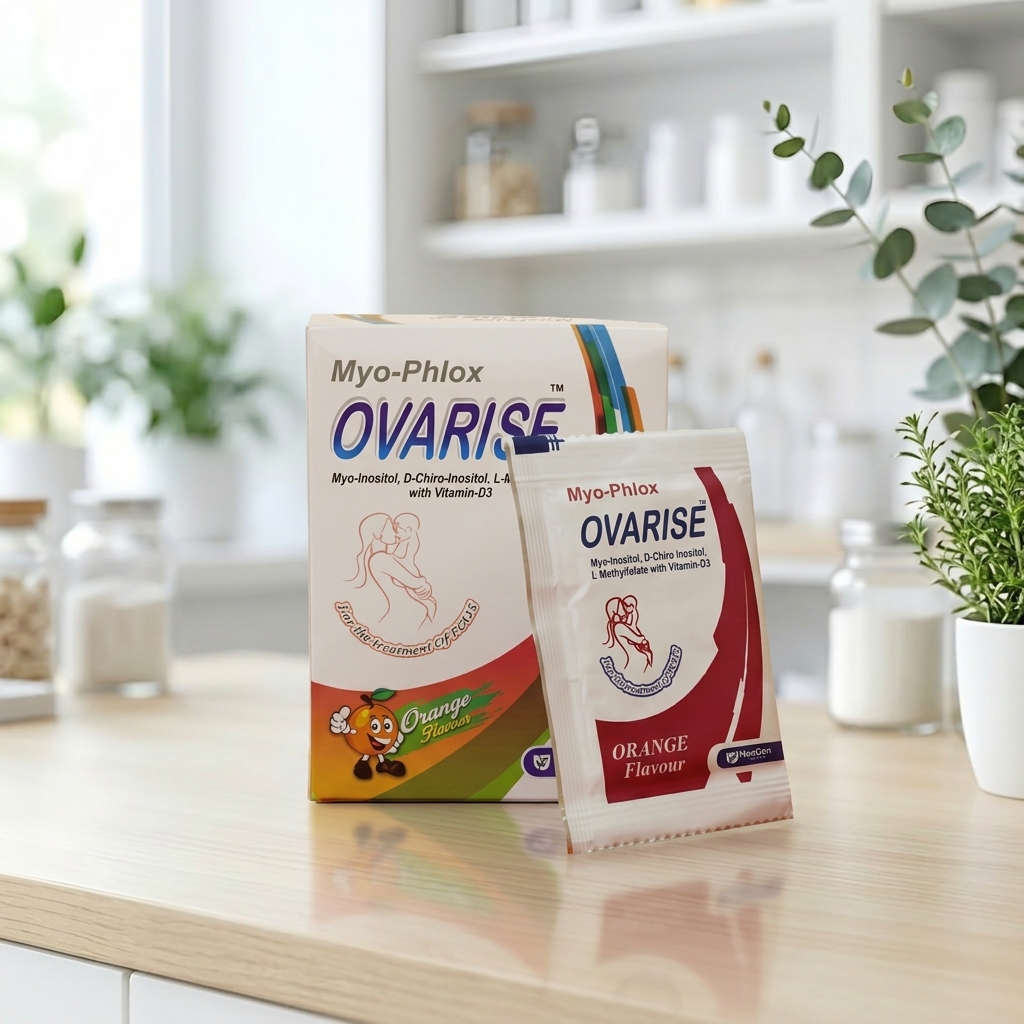
A targeted, research-backed formulation can help support your wellness journey. Ovarise Sachet for PCOS is one option to consider as part of your daily routine for consistent, effective results.
Comparison of Natural Nutraceuticals vs Synthetic Hormones
Women with PCOS may consider different approaches depending on their symptoms and personal health goals. Some options focus on nutritional support and lifestyle improvement, while others involve medicines designed to influence hormone activity.
| Natural Nutraceuticals | Synthetic Hormones |
|---|---|
| Provide specific nutrients that support normal body functions. | Use medication-based compounds to influence hormone activity. |
| Often included alongside diet and lifestyle improvements. | Usually prescribed for specific medical concerns. |
| May contain Myo-Inositol, vitamins, and minerals. | May include different types of hormone-related medicines. |
| Focus on supporting nutritional and metabolic needs. | Focus on managing specific symptoms through medical treatment. |
| Can be included as part of a wellness routine. | Generally require professional supervision. |
Natural nutraceuticals and synthetic hormones have different roles. Nutritional products are generally used to provide additional support, while hormone-based treatments are designed for specific clinical purposes.
Some women may benefit from lifestyle-focused strategies, while others may need additional medical support. The right choice depends on personal health circumstances.
Recommended PCOS Routine for Pakistani Women
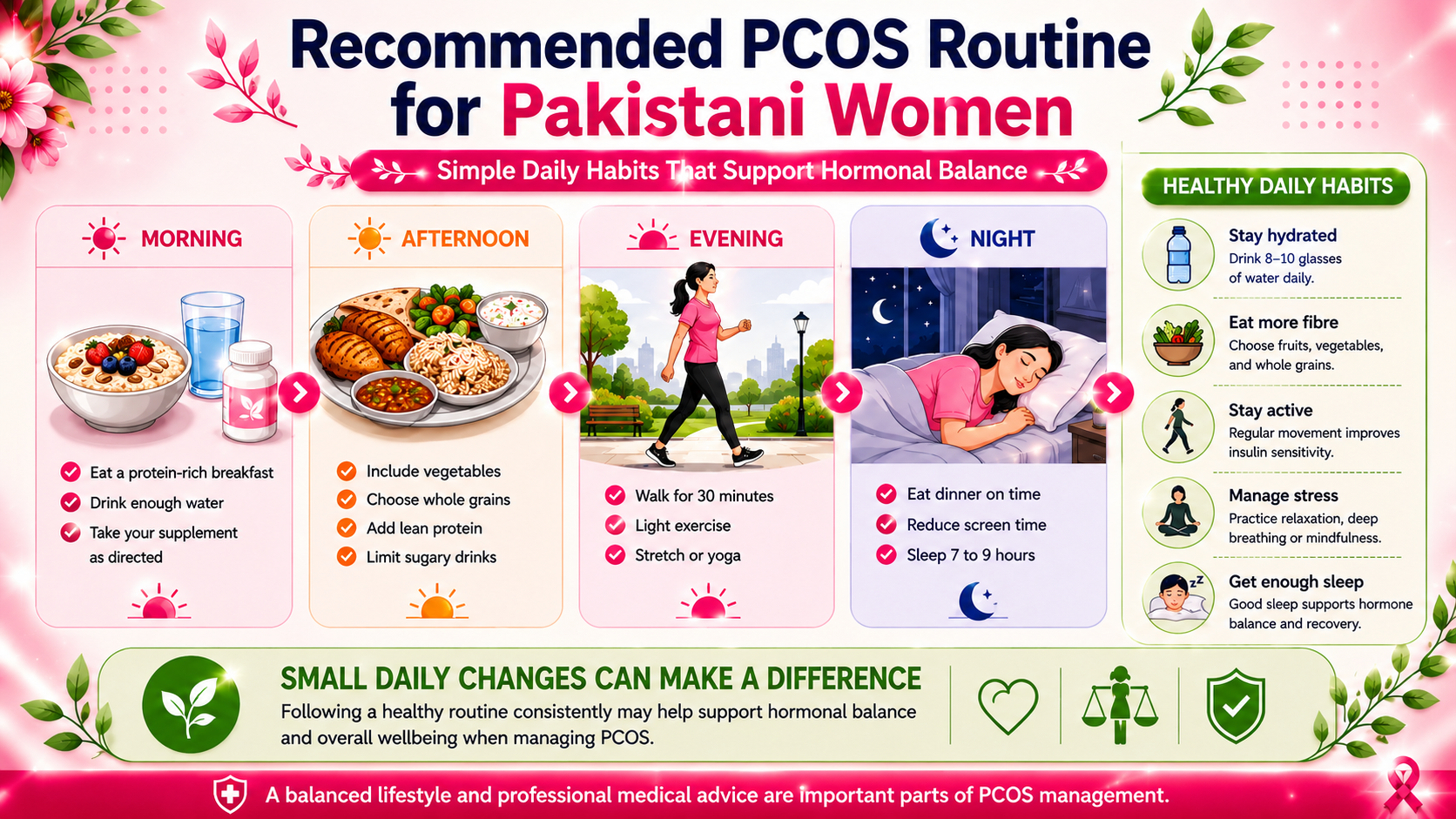
A PCOS routine should be realistic enough to follow alongside everyday responsibilities. Small adjustments that fit into daily life are often easier to maintain than major sudden changes.
Morning
Begin the day with a breakfast that provides protein and fibre. A balanced morning meal can help maintain energy and support better eating patterns.
Examples include:
- Eggs with whole wheat bread.
- Yoghurt with nuts and seeds.
- Homemade breakfast options with balanced portions.
If using nutritional supplements, follow the directions provided with the product.
Afternoon
Lunch should include a combination of protein, vegetables, and suitable carbohydrate sources.
Helpful habits include:
- Adding vegetables to regular meals.
- Including foods like chicken, fish, eggs, or lentils.
- Drinking enough water.
- Limiting frequent sugary drinks.
Traditional Pakistani meals can remain part of a healthy routine when portions and food combinations are managed properly.
Evening
Use the evening period to include physical activity. A walk, stretching session, or strength workout can help maintain regular movement.
Preparing meals in advance can also make healthier choices easier during busy days.
Night
A consistent sleep routine supports overall health and daily energy.
Helpful nighttime habits include:
- Creating a comfortable sleeping environment.
- Reducing screen use before bed.
- Avoiding very heavy meals late at night.
Final Thoughts
PCOS management is a gradual process that requires consistency and realistic lifestyle changes. Since symptoms differ between women, the best approach is one that matches individual health requirements.
For women searching how to treat PCOS naturally in Pakistan, focusing on balanced nutrition, regular activity, stress control, and evidence-based nutritional support can help build a stronger foundation for managing PCOS symptoms.
Women interested in PCOS wellness solutions can explore NexGen Health and the PCOS Management range created to complement a healthy lifestyle.
Disclaimer: This content is intended for educational purposes only and should not replace medical advice, diagnosis, or treatment. Speak with a qualified healthcare professional regarding your individual health needs before starting supplements or making significant changes to your routine.