
The safest way to layer skincare actives is to begin with clean skin, apply lighter serums before thicker products, and choose treatments based on your skin's needs. Introduce new ingredients individually and use sunscreen during the day. If you're new to retinol or exfoliating acids, apply them on different nights to reduce the chances of irritation.
Skincare serums have become a familiar part of beauty routines across Pakistan. Ingredients such as vitamin C, niacinamide, and retinol are commonly used to address dullness, acne, and uneven skin texture.
However, filling your routine with several concentrated treatments can create more problems than benefits. When strong products are used too frequently, skin may become dry, uncomfortable, or irritated.
Knowing how to layer skincare actives helps you choose suitable ingredients and use them without unnecessarily stressing your skin.
Understanding Active Skincare Ingredients
Active skincare ingredients are included in formulations to address concerns such as clogged pores, pigmentation, dehydration, and visible signs of aging. Each ingredient works differently. Some encourage the removal of dead surface cells, while others help maintain hydration or support the skin's natural protective functions.
Exfoliating Acids and Hydrating Ingredients
- Salicylic Acid (BHA): Travels into oily pores and helps loosen accumulated debris, making it useful for blackheads and acne-prone skin.
- Glycolic Acid (AHA): Helps loosen the buildup of dead surface cells, gradually improving rough patches and the appearance of discoloration.
- Lactic Acid (AHA): Encourages gentle surface exfoliation and can improve rough texture. Its suitability depends on product strength and skin tolerance.
- Hyaluronic Acid: Draws water into the outer skin layers, helping maintain a softer, more comfortable complexion.
Antioxidants and Skin-Renewing Ingredients
- Vitamin C: Helps defend against oxidative stress, contributes to collagen production, and can gradually improve uneven pigmentation.
- Niacinamide (Vitamin B3): Supports the skin's protective barrier, helps manage excess oil, and improves the appearance of uneven tone.
- Retinol (Vitamin A): Encourages skin renewal and may gradually reduce acne, fine lines, and irregular texture.
Instead of collecting multiple serums, focus on ingredients that address your most important skincare concerns.
How to Layer Skincare Actives in the Correct Order
Product order matters, but layering does not need to become complicated. In most routines, thinner formulas go on before heavier creams. Always follow specific product directions when they differ from this general approach.
The Basic Skincare Layering Order
- Cleanser: Begin by washing away dirt, surface oil, and leftover skincare products.
- Water-Based Serum: Apply a treatment selected for your skin concern, such as niacinamide or vitamin C.
- Hydrating Serum: Add hyaluronic acid when your skin needs extra moisture.
- Moisturizer: Follow with a cream or lotion that helps prevent moisture loss.
- Sunscreen: Complete your daytime routine with broad-spectrum SPF 30 or above.
You can skip optional steps when they do not serve a particular purpose. A basic routine does not require several different serums.
Do You Need to Wait Between Skincare Layers?
Most everyday skincare products can be applied without lengthy pauses. Giving a serum a moment to settle may make the next layer easier to spread and help prevent pilling. You also do not need complicated timing rules simply because two ingredients have different pH requirements. Their finished formulations and your skin's response are more important.
Which Skincare Actives Work Well Together?
Skincare ingredients do not all behave the same way when layered. Certain pairings are easy to tolerate, while others may leave skin feeling irritated.
The following table can help you make more informed choices.
| Active Ingredient | Ingredients That Often Pair Well | What to Watch For |
|---|---|---|
| Salicylic Acid | Niacinamide, hyaluronic acid, ceramides | Retinol may increase dryness when used alongside it |
| Glycolic or Lactic Acid | Hyaluronic acid, ceramides | Too many exfoliating products may cause sensitivity |
| Vitamin C | Vitamin E, niacinamide, ferulic acid | Strong acidic formulas may sting sensitive skin |
| Retinol | Niacinamide, ceramides, hyaluronic acid | Start slowly and avoid strong acids in the same routine initially |
| Niacinamide | Vitamin C, retinol, hyaluronic acid | Usually well tolerated, although high strengths may irritate |
| Peptides | Hydrating serums, moisturizers | Check instructions for specialized peptide formulations |
Important: Compatibility depends on product strength, formulation, and individual tolerance. Even commonly paired ingredients can cause discomfort on sensitive skin.
Skincare Ingredient Combinations That May Cause Irritation
Using several intensive treatments at once can make it difficult to understand what your skin tolerates. Some combinations deserve additional care, particularly when introducing a new product.
Retinol and Exfoliating Acids
Both retinol and exfoliating acids can cause peeling or dryness while your skin adjusts. Applying them together may make these reactions more noticeable. If you're a beginner, consider using an exfoliant on one evening and retinol on another. This gives you more control over how frequently each treatment is applied.
Vitamin C and Exfoliating Acids
These ingredients are not automatically incompatible. However, highly acidic products may feel uncomfortable when layered. If your skin stings easily, use vitamin C during the day and reserve exfoliation for selected evenings. This approach may help you benefit from both without introducing unnecessary irritation.
Can Niacinamide and Vitamin C Be Used Together?
Yes. There is generally no need to keep these two ingredients in separate routines. Vitamin C helps protect against oxidative stress and contributes to collagen production. It can also improve the appearance of uneven pigmentation over time.
Niacinamide supports the skin's protective barrier and can help manage excess oil. Older advice suggested that combining these ingredients reduced their effectiveness. However, that concern generally does not apply to modern skincare formulations.
For sensitive skin, begin with one product and introduce the second after confirming your skin tolerates the first.
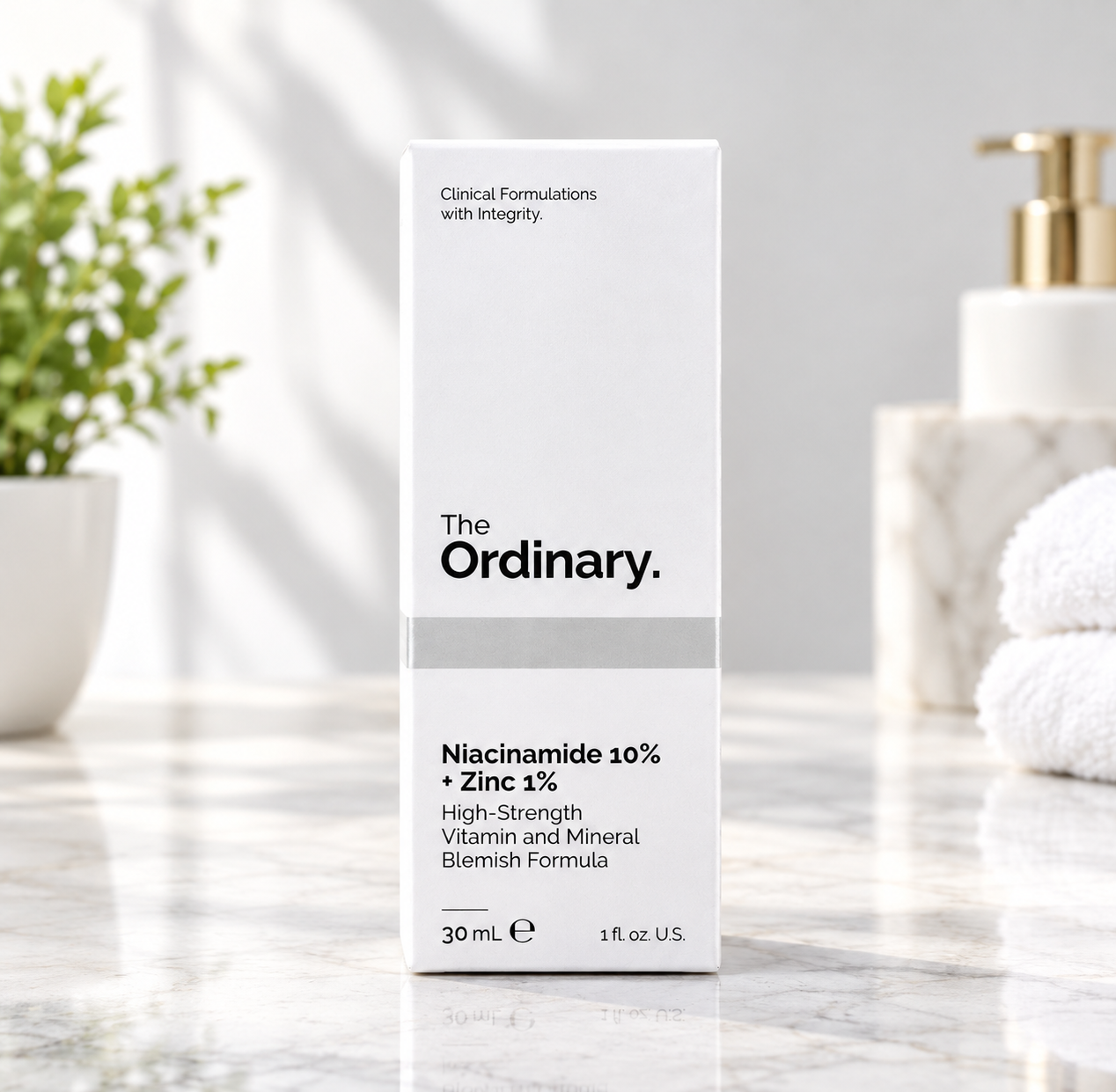
The Ordinary Niacinamide 10% + Zinc 1% Serum
This lightweight, water-based serum contains 10% niacinamide and 1% zinc PCA to help reduce the appearance of excess oil, improve uneven skin tone, and support a healthier-looking skin barrier.
Building a Simple Morning and Evening Skincare Routine
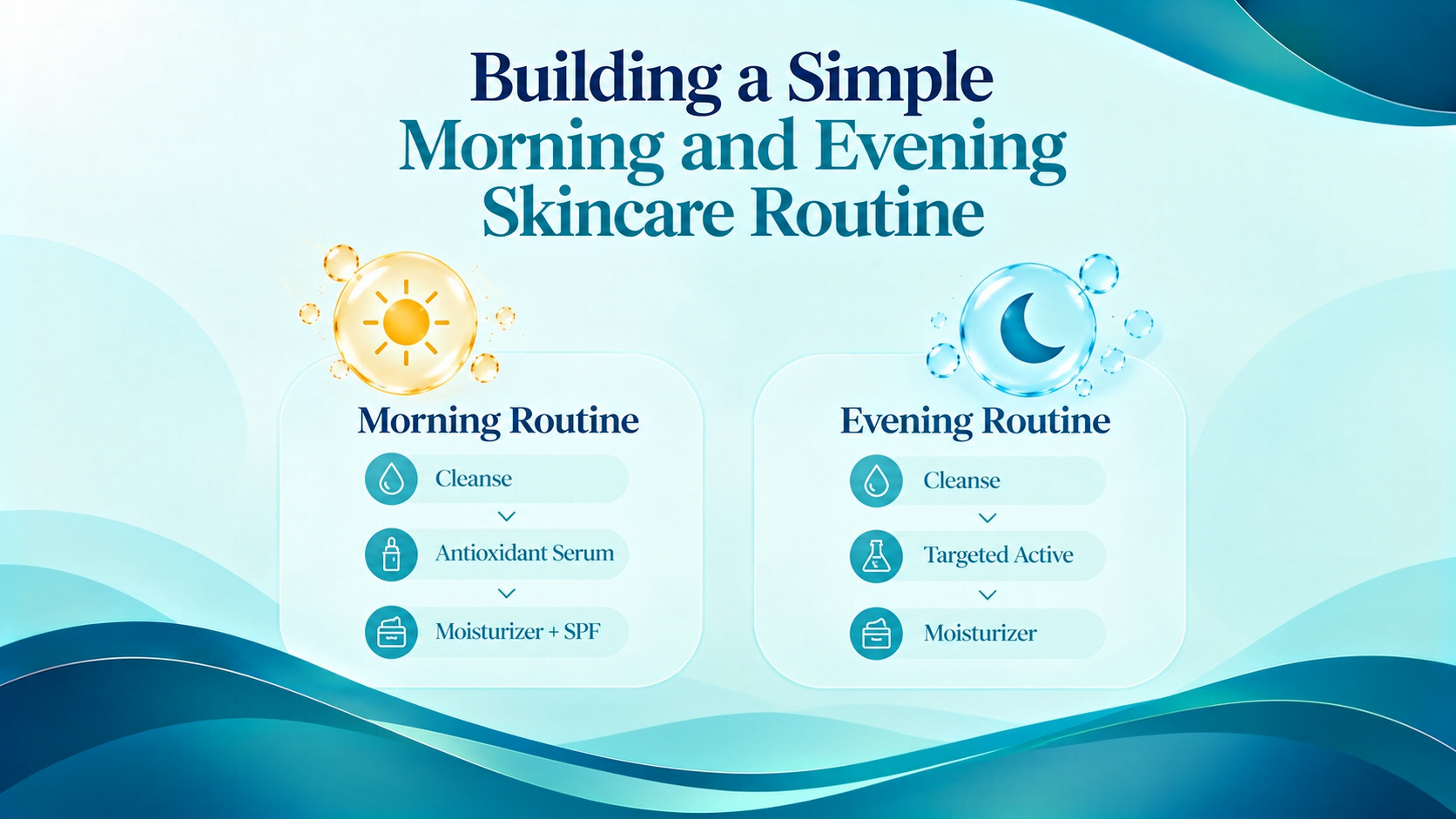
A manageable routine that you follow regularly is usually more useful than a crowded shelf of treatments. Your morning and evening routines can serve different purposes without requiring completely different products.
Morning Routine: Hydration and Protection
Step 1: Cleanse
Start with a mild face wash that removes overnight oil without leaving your skin feeling tight.
Step 2: Choose a Targeted Serum
Vitamin C is an option for antioxidant care and uneven tone. Niacinamide may be more useful when excess oil or barrier support is your priority.
Step 3: Add Hydration
If your face feels dehydrated after cleansing, a hyaluronic acid serum can provide an additional layer of hydration.
Step 4: Apply Moisturizer
For oily skin, consider a comfortable, lightweight moisturizer. Drier skin may benefit from a cream with a richer texture.
Step 5: Protect Against UV Exposure
Make broad-spectrum sunscreen with SPF 30 or above the final step of your daytime skincare routine. Reapply around every two hours during outdoor exposure, especially after swimming or sweating.
Evening Routine: Treatment and Recovery
Step 1: Cleanse Thoroughly
Wash away sunscreen, makeup, and impurities using a gentle cleanser.
Step 2: Apply Your Chosen Active
Use either retinol or an exfoliating treatment according to your skincare goals. Beginners may start with a lower-strength product once or twice weekly, following its directions.
Step 3: Allow Recovery Nights
On evenings without strong treatments, focus on keeping your skin hydrated and comfortable.
Step 4: Finish with Moisturizer
A moisturizer containing ceramides or glycerin can help limit moisture loss overnight.
How Often Should You Use Skincare Actives?
Frequency matters as much as product selection. Stronger treatments often need a gradual introduction, while basic hydrating ingredients can usually be used more regularly.
| Ingredient | Suggested Starting Frequency |
|---|---|
| Hyaluronic Acid | Daily, morning or evening |
| Niacinamide | Once daily |
| Vitamin C | Once daily or every other day |
| Salicylic Acid | 1–2 times weekly for leave-on products |
| Glycolic or Lactic Acid | Once weekly initially |
| Retinol | 1–2 nights weekly initially |
These suggestions are starting points rather than fixed schedules. Adjust usage according to the product's instructions and your skin's response. Stop using a product if it causes significant burning, swelling, or persistent irritation.
Common Mistakes When Layering Skincare Actives
- Starting Several Treatments Together: Adding multiple new serums makes it harder to identify which product causes a reaction. Introduce them separately.
- Exfoliating Too Frequently: Repeated exposure to strong exfoliants may leave skin feeling raw, dry, or unusually sensitive.
- Ignoring Moisturizer: Even oily complexions benefit from moisturizing products, particularly when acne treatments cause dryness.
- Neglecting Sun Protection: Regular sunscreen use helps protect against UV-related skin damage and worsening pigmentation.
- Changing Products Too Quickly: Improvements in acne, texture, and dark spots often take weeks or months. Give suitable products enough time before judging their results.
Final Thoughts
Building an effective skincare routine is less about the number of products and more about choosing them carefully. Select ingredients that match your concerns, introduce stronger treatments gradually, and pay attention to signs of irritation.
Gentle cleansing, sufficient moisture, and dependable sun protection provide the foundation for your routine. At NexGen Health, you can explore ingredient-focused skincare products to help make informed choices for your skin.
With patience and sensible product use, you can work toward a healthier-looking complexion without relying on an unnecessarily complicated routine.
This guide provides general educational information and is not a substitute for professional dermatological advice. Skin responses vary, and retinoids should generally be avoided during pregnancy. Seek advice from a qualified dermatologist for persistent irritation, severe acne, or treatment-specific concerns.