
How to Repair a Damaged Skin Barrier: Ceramides, Hydration, and Daily Care
Effective skin barrier repair starts with a gentle skincare routine that reduces irritation and restores moisture. Avoid harsh cleansers and excessive exfoliation, apply a moisturizer containing ceramides or other protective ingredients, and use sunscreen daily. Consistent care helps the skin retain hydration and gradually regain its natural protective function.
Does your face sting after applying moisturizer? Does your skin feel tight even after washing, or suddenly react to products you've used for months? These changes may indicate that your skin's protective barrier needs attention.
Your skin barrier helps retain moisture while protecting against environmental irritants. When it becomes disrupted, dryness, sensitivity, and irritation can develop. Understanding how this protective layer works can help you choose ingredients and daily habits that support healthier skin.
What Is the Skin Barrier and Why Does It Matter?
The skin barrier is primarily formed by the outermost layer of your skin, called the stratum corneum. Think of it as a brick wall. Skin cells form the bricks, while natural lipids act like the mortar holding everything together. These lipids include ceramides, cholesterol, and fatty acids.
Together, they help prevent excessive water loss and limit the entry of irritants. When the barrier becomes disrupted, moisture escapes more easily, leaving skin uncomfortable and reactive.
Signs Your Skin Barrier May Be Damaged
A weakened barrier can affect different skin types, including oily and combination skin.
Common signs include:
- Tightness: Skin feels stretched or uncomfortable after cleansing.
- Flaking: Dry patches develop around the cheeks, nose, or forehead.
- Stinging: Previously comfortable skincare products suddenly cause irritation.
- Redness: Skin becomes more reactive to environmental conditions.
- Rough texture: The surface feels uneven or less smooth.
These symptoms are not exclusive to barrier damage. Conditions such as eczema, rosacea, and contact dermatitis can cause similar changes. Persistent or worsening symptoms deserve professional evaluation.
What Causes Skin Barrier Damage?
Understanding common dry skin causes can help you recognize habits and environmental factors that contribute to moisture loss.
1. Harsh Cleansers and Overwashing
Strong soaps and frequent washing can remove natural oils from the skin. Cleansers that leave your face feeling excessively tight may be too harsh for your current skin condition.
2. Excessive Exfoliation
Chemical exfoliants, facial scrubs, and retinoids can be useful when used appropriately. However, applying multiple active ingredients too frequently may increase irritation and interfere with normal barrier function.
3. Weather and Environmental Conditions
Cold weather, low humidity, air conditioning, and frequent exposure to hot water can contribute to dryness. Environmental conditions are among the everyday dry skin causes that may affect skin comfort throughout the year.
4. Underlying Skin Conditions
Eczema, contact dermatitis, and other inflammatory skin conditions can interfere with barrier function. In these cases, moisturizer alone may not address the underlying problem.
The Three Essential Types of Moisturizing Ingredients
Moisturizers work through different mechanisms. Understanding these differences helps you choose suitable products without relying on complicated routines.
| Ingredient Category | Common Examples | Main Function |
|---|---|---|
| Humectants | Glycerin, hyaluronic acid | Attract and retain water |
| Emollients | Ceramides, squalane, fatty acids | Soften and smooth skin |
| Occlusives | Petrolatum, dimethicone | Reduce moisture evaporation |
Many effective moisturizers combine ingredients from more than one category.
Humectants: Helping Skin Retain Water
Hyaluronic acid and glycerin help increase water content in the outer layers of the skin. These ingredients can improve hydration and reduce the uncomfortable tightness associated with dryness.
Emollients: Supporting a Smoother Surface
Ceramides and other skin-compatible lipids help improve softness and support the protective structure of the outer skin layer.
Occlusives: Reducing Moisture Loss
Ingredients such as petrolatum and dimethicone create a protective layer that limits water evaporation. Richer formulas may be especially helpful for very dry areas.
Why Ceramides and Hyaluronic Acid Matter for Skin Barrier Repair
Ceramides are naturally occurring lipids that help maintain the structure of the skin barrier. When the skin lacks sufficient protective lipids, it may lose moisture more easily. Moisturizers containing ceramides can help replenish these lipids and support barrier function. Hyaluronic acid plays a different but complementary role by helping the skin retain water.
Understanding Ceramides 1, 3, and 6-II
Different ceramides contribute to the organization and stability of the skin's protective lipid layers. Commonly used cosmetic ceramides include:
- Ceramide EOP (formerly Ceramide 1): Helps support the organization of protective lipid layers.
- Ceramide NP (formerly Ceramide 3): Contributes to moisture retention and barrier integrity.
- Ceramide AP (formerly Ceramide 6-II): Supports the structure of the outer skin layer.
No single ceramide works independently. Balanced formulations containing complementary lipids can help maintain healthy barrier function.
Is Hyaluronic Acid Enough on Its Own?
Hyaluronic acid is useful for hydration, but it does not replace all the protective lipids needed by the skin. For dry or compromised skin, combining water-binding ingredients with emollients and moisture-sealing ingredients is often more effective.
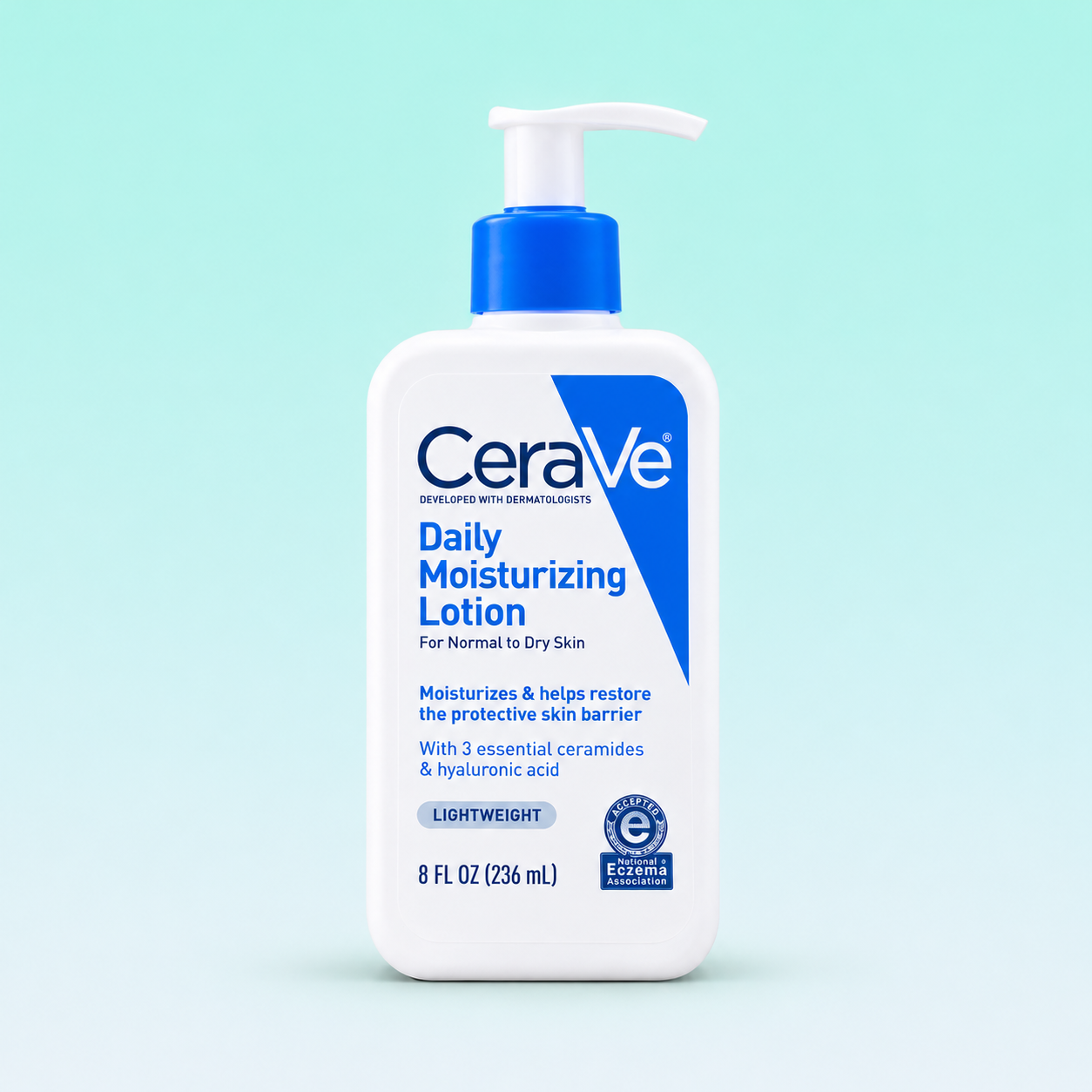
Restore Your Skin's Natural Moisture Barrier
Support dry, sensitive skin with a ceramide-rich moisturizer designed to replenish hydration, reduce moisture loss, and help maintain a softer, more comfortable skin barrier.
How to Build a Simple Skin Barrier Recovery Routine
A complicated routine is rarely necessary when your skin feels irritated. For skin barrier repair, prioritize gentle cleansing, consistent moisturizing, and protection from environmental stressors.
Morning Routine
Step 1: Cleanse Gently
Use lukewarm water and a mild cleanser. If your skin is very dry, cleansing with water alone in the morning may be sufficient.
Step 2: Apply Moisturizer
Apply a fragrance-free moisturizer while your skin is slightly damp. Choose a texture suited to your skin type and comfort.
Step 3: Protect with Sunscreen
Use a broad-spectrum sunscreen with SPF 30 or higher. Sunscreen helps protect against ultraviolet damage, which can contribute to skin inflammation and premature aging.
Evening Routine
Step 1: Remove Sunscreen and Impurities
Cleanse gently without scrubbing or using excessively hot water.
Step 2: Moisturize
Apply a moisturizer containing ingredients such as ceramides, glycerin, or dimethicone.
Step 3: Protect Very Dry Areas
If needed, apply a thin layer of petrolatum to particularly dry patches. Avoid applying additional active treatments to irritated areas until your skin is comfortable enough to tolerate them.
- Pause exfoliating acids if they cause irritation.
- Avoid fragranced products that trigger stinging.
- Moisturize after cleansing.
- Keep showers short and lukewarm.
- Introduce new skincare products gradually.
Can Oily Skin Have a Damaged Barrier?
Yes. Oily skin can still become dehydrated or irritated. Sebum production and skin hydration are not the same thing. Your face may produce excess oil while the outer skin layer struggles to retain sufficient water.
Choosing Lightweight Moisturizers
When selecting moisturizers for oily skin, consider lightweight lotions or gels that provide hydration without feeling excessively heavy.
Useful ingredients may include:
- Glycerin for hydration.
- Hyaluronic acid for water retention.
- Ceramides for barrier support.
- Dimethicone for reducing moisture loss.
Non-comedogenic formulations may be preferable for acne-prone skin, although individual tolerance varies.
Should Oily Skin Avoid Rich Creams?
Not necessarily. A richer cream may be helpful when oily skin becomes unusually dry or irritated, particularly after using acne treatments. However, lighter textures are often more comfortable for everyday use. The best moisturizers for oily skin are those that provide sufficient hydration, feel comfortable, and do not worsen individual skin concerns.
How Long Does Skin Barrier Recovery Take?
Recovery depends on the severity of irritation, underlying skin conditions, and consistency of care. Mild dryness or irritation may improve within several days, while more significant barrier disruption can take weeks. There is no guaranteed recovery timeline.
Continuing to use irritating products may delay improvement. If symptoms persist, spread, or become painful, consult a dermatologist rather than repeatedly changing skincare products.
A damaged skin barrier benefits from gentle cleansing, consistent moisturizing, and protection from irritants. Ceramides help support the skin's protective lipid structure, while humectants and occlusives improve hydration and reduce moisture loss. Keep your routine simple and choose products according to your skin's needs.
Final Thoughts
Healthy skin does not require an elaborate skincare routine. When dryness, stinging, or irritation develops, reducing unnecessary products and restoring moisture can make a meaningful difference. Consistent skin barrier repair focuses on protecting the skin rather than exposing it to more treatments.
Whether your skin is naturally dry, oily, or combination, gentle products and suitable moisturizing ingredients can help maintain comfort and support normal barrier function. Explore more practical skincare guidance at NexGen Health.
This article is intended for general educational purposes and does not replace professional dermatological advice. Persistent redness, severe itching, cracking, bleeding, blistering, or signs of infection require medical evaluation. Individual responses to skincare products may vary.