High Prolactin in Women: Symptoms, Causes, Tests, and Treatment
Common high prolactin symptoms in females include irregular or missed periods, unexpected milky breast discharge, difficulty conceiving, and reduced sexual desire. Elevated prolactin, known as hyperprolactinemia, may result from certain medications, thyroid disorders, pregnancy, or pituitary conditions. Diagnosis involves blood testing and, when necessary, additional investigations. Treatment depends on the underlying cause, and not every elevated result requires medication.
Your menstrual cycle becomes unpredictable, or you notice unexpected breast discharge despite not breastfeeding. Could a hormone called prolactin be responsible? Prolactin plays an essential role in breast milk production, but unusually elevated levels outside pregnancy and breastfeeding can interfere with reproductive hormones.
Understanding its effects can help women recognize when testing is appropriate and why identifying the underlying cause matters more than attempting to lower hormone levels independently.
What Is Prolactin and How Does It Work?
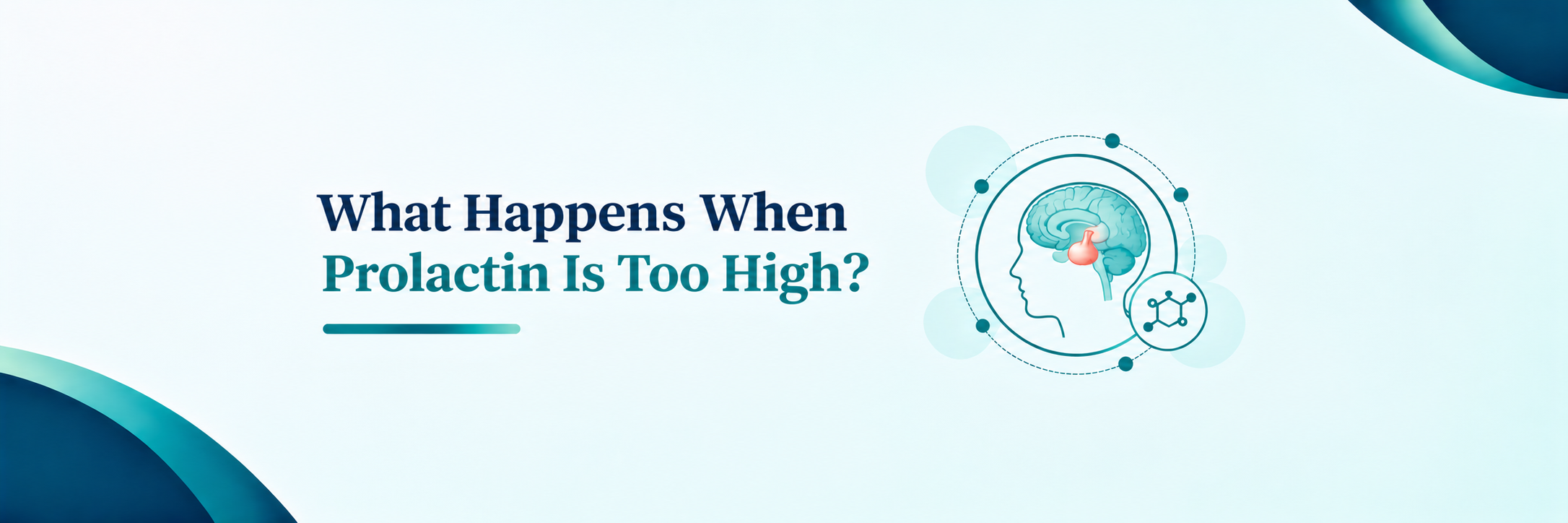
Prolactin is a hormone produced mainly by the pituitary gland, a small structure located beneath the brain. Its primary function is supporting breast development and milk production during pregnancy and breastfeeding.
The Role of Dopamine in Prolactin Regulation
The brain produces dopamine, a chemical messenger that helps control prolactin release. Under normal circumstances, dopamine signals the pituitary gland to limit prolactin production. When this regulation changes, prolactin levels may increase.
Elevated prolactin can interfere with gonadotropin-releasing hormone (GnRH), which helps regulate ovulation and menstrual cycles.
Can Prolactin Rise Naturally?
Yes. Prolactin levels fluctuate throughout the day. Temporary increases may occur during sleep, physical activity, nipple stimulation, and emotional stress. Pregnancy and breastfeeding also naturally increase prolactin.
A temporary elevation does not necessarily indicate a medical disorder.
High Prolactin Symptoms in Females: What to Watch For
Symptoms vary depending on how elevated the hormone is, the underlying cause, and individual reproductive health. Some women experience noticeable changes, while others discover elevated prolactin during routine investigations.
Irregular or Missing Periods
High prolactin may interfere with the hormonal signals responsible for ovulation.
This can contribute to:
- Irregular menstrual cycles.
- Missed periods.
- Reduced or absent ovulation.
- Difficulty becoming pregnant.
However, irregular periods can also result from PCOS, thyroid disorders, and other conditions.
Unexpected Breast Discharge
Galactorrhea refers to milky nipple discharge unrelated to normal breastfeeding. It may affect one or both breasts and can occur alongside menstrual changes. Not every woman with elevated prolactin develops galactorrhea, and nipple discharge can have other causes.
Bloody or spontaneous discharge from one breast requires medical assessment.
Fertility and Sexual Health Changes
Persistently elevated prolactin may reduce estrogen levels by disrupting reproductive hormone signaling. Some women experience vaginal dryness, reduced sexual desire, or fertility difficulties. Recognizing high prolactin symptoms in females is particularly important when menstrual changes and unexpected breast discharge occur together.
When Headaches and Vision Changes Matter
Certain pituitary tumors can increase prolactin production. Larger tumors may cause headaches or visual disturbances because of pressure on surrounding structures. New or worsening visual problems, especially with severe headaches, require urgent medical evaluation.
What Causes High Prolactin Levels?
Understanding hyperprolactinemia causes helps distinguish temporary hormonal changes from conditions requiring treatment.
Common Medical and Lifestyle Factors
| Possible Cause | How It May Affect Prolactin |
|---|---|
| Pregnancy and breastfeeding | Naturally increase prolactin |
| Hypothyroidism | Can stimulate prolactin release |
| Certain medications | May interfere with dopamine regulation |
| Prolactinoma | A benign pituitary tumor that produces prolactin |
| Kidney disease | May reduce prolactin clearance |
| Physical or emotional stress | May temporarily increase levels |
Some antipsychotics and medications used for nausea can increase prolactin. Certain antidepressants may also contribute. Never discontinue prescribed medication without consulting your clinician.
Can PCOS Cause High Prolactin?
PCOS and hyperprolactinemia can produce overlapping symptoms, including irregular periods and fertility difficulties. However, elevated prolactin should not automatically be attributed to PCOS. A clinician may investigate both conditions to identify the actual cause.
For more information, read our guide to irregular periods and ovulation problems in PCOS.
Support Women's Hormonal & Menstrual Wellness
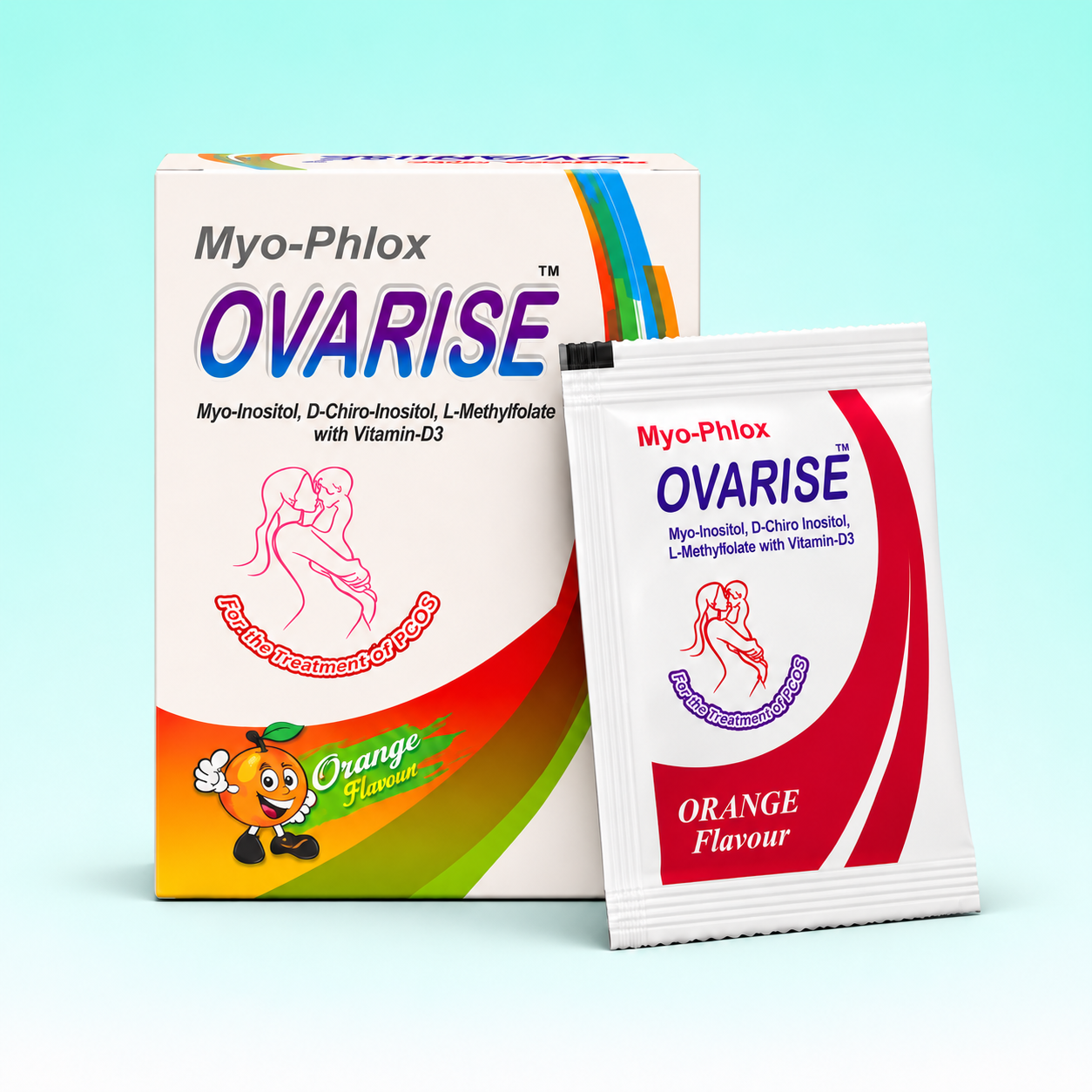
Ovarise Sachet is a nutritional supplement intended for women seeking PCOS-related reproductive wellness support. It is not an established treatment for elevated prolactin or pituitary disorders.
Can Stress Increase Prolactin?
The relationship between stress and prolactin levels is important when interpreting laboratory results. Emotional distress, strenuous exercise, and even anxiety during blood collection may temporarily influence prolactin. However, persistent elevations should not automatically be blamed on stress.
Other hyperprolactinemia causes must be considered when repeated results remain abnormal.
Prolactin Test Normal Range and Diagnosis
A prolactin blood test measures the amount of hormone circulating in your bloodstream. Doctors may recommend testing when menstrual irregularities, unexpected breast discharge, or fertility concerns suggest a possible hormonal imbalance.
What Is a Normal Prolactin Level?
The prolactin test normal range varies according to the laboratory, testing method, pregnancy status, and clinical circumstances.
| Patient Group | General Interpretation |
|---|---|
| Non-pregnant adult women | Often below approximately 25 ng/mL |
| Pregnant women | Naturally much higher |
| Breastfeeding women | Levels vary with feeding and time since delivery |
These figures are general guidance rather than universal diagnostic cutoffs. Always interpret results using the reference interval printed on your laboratory report.
How Should You Prepare for Testing?
Your clinician may recommend testing a few hours after waking, when prolactin is less affected by sleep-related changes.
Before testing:
- Follow your laboratory's preparation instructions.
- Avoid strenuous exercise immediately beforehand.
- Tell your doctor about prescribed medicines and supplements.
- Discuss recent nipple stimulation or significant physical stress.
- Rest quietly before blood collection if instructed.
Fasting is not universally required for every prolactin test. Because stress and prolactin levels can influence a single reading, a mildly elevated result may need confirmation.
What Happens If Your Result Is High?
A result above the prolactin test normal range does not automatically mean you have a pituitary tumor.
Your doctor may recommend:
- Repeating the prolactin measurement.
- Checking pregnancy status when relevant.
- Testing thyroid function.
- Reviewing medications and medical history.
- Checking for macroprolactin in appropriate cases.
- Considering pituitary MRI when clinically indicated.
Macroprolactin is a form of prolactin that can produce elevated laboratory readings without causing typical hormonal effects.
Prolactin naturally fluctuates. A mildly elevated result may require repeat testing before further investigations or treatment decisions.
How Is High Prolactin Treated?
Treatment depends on the cause, symptoms, hormone level, and whether pregnancy is being planned.
Treating Underlying Medical Conditions
When hypothyroidism causes elevated prolactin, appropriate thyroid treatment may help restore normal levels. If medication is responsible, a clinician may consider adjusting treatment when medically appropriate.
For prolactinomas, dopamine agonists such as cabergoline are commonly used to reduce prolactin production and, in many cases, shrink the tumor. These are prescription treatments requiring professional supervision.
Can Supplements Lower Prolactin?
Vitamin B6 and herbal preparations such as Vitex agnus-castus are sometimes promoted for hormonal balance. However, evidence is insufficient to recommend these supplements as established treatments for hyperprolactinemia.
High-dose vitamin B6 can cause nerve damage, and herbal preparations may have contraindications or medication interactions. Supplements should never replace evaluation of persistent hormonal abnormalities.
Supporting General Hormonal Health
Balanced nutrition, adequate sleep, regular physical activity, and stress management support overall well-being. These habits may help reduce temporary physiological stress, but they cannot reliably treat a prolactinoma or another underlying medical disorder.
Elevated prolactin may cause irregular periods, unexpected breast discharge, and fertility difficulties. Pregnancy, medications, thyroid conditions, and pituitary disorders are among the possible explanations. Diagnosis requires appropriate testing, and treatment depends on the cause. Lifestyle changes and supplements should not replace medical care.
When Should You See a Doctor?
Consult a gynecologist or endocrinologist if you experience persistent menstrual irregularities, unexpected milky discharge, or difficulty conceiving. Seek urgent medical attention for sudden severe headaches, significant visual changes, or other concerning neurological symptoms.
Identifying high prolactin symptoms in females early can support timely diagnosis and appropriate treatment.
Final Thoughts
High prolactin is not always a sign of serious disease. Temporary hormonal fluctuations, medication effects, and treatable medical conditions can all influence test results. The most useful approach is to understand your symptoms, confirm abnormal readings when appropriate, and investigate the underlying cause.
With proper medical assessment, many women can manage prolactin-related concerns effectively. At NexGen Health, we encourage informed reproductive health decisions based on reliable medical guidance rather than unsupported hormone-balancing claims.
This article provides general educational information and does not replace professional medical advice, diagnosis, or treatment. Consult a qualified healthcare professional for persistent hormonal symptoms, abnormal laboratory results, or fertility concerns. Do not start, stop, or change hormonal medications or supplements without medical guidance.