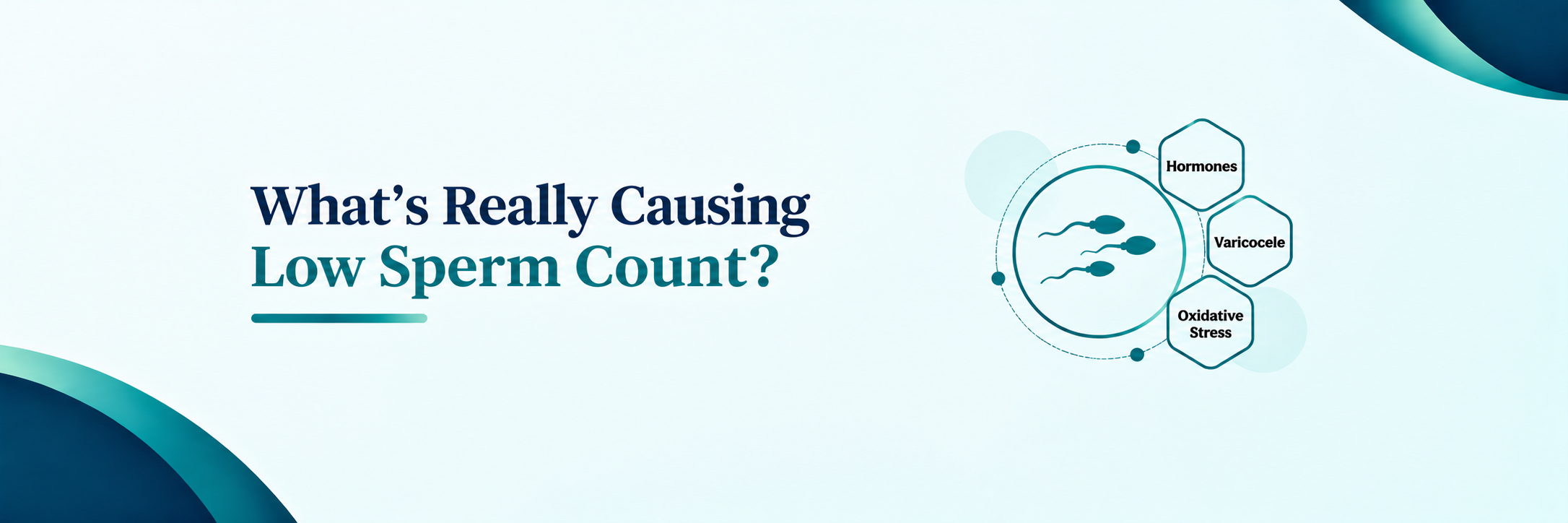
Understanding Male Infertility and Oligospermia: Causes, Tests, and Nutritional Support
Oligospermia means having a sperm concentration below the reference level commonly used to assess male fertility. Possible causes include hormonal changes, varicocele, genetic conditions, certain medications, and lifestyle factors. Oxidative stress may also affect sperm function. A semen analysis is the first step in evaluation, while treatment depends on the underlying cause. Healthy habits and nutritional support may help certain men, but supplements cannot guarantee improved fertility.
Difficulty conceiving is often assumed to be a women's health concern. However, male reproductive factors contribute to a substantial proportion of fertility difficulties. A low sperm count does not automatically mean pregnancy is impossible. Sperm movement, shape, reproductive health, and the female partner's fertility also matter.
Understanding the possible causes can help couples seek appropriate testing instead of relying on supplements or unverified treatments.
What Is Oligospermia and How Is It Diagnosed?
Oligospermia is the medical term for a lower-than-expected sperm concentration. It is identified through semen analysis, which measures several aspects of sperm health.
Understanding Semen Analysis Results
The World Health Organization's sixth-edition reference values provide useful guidance when interpreting semen quality.
| Semen Parameter | WHO Lower Reference Value |
|---|---|
| Semen volume | 1.4 mL |
| Sperm concentration | 16 million/mL |
| Total sperm number | 39 million per ejaculate |
| Progressive motility | 30% |
| Normal morphology | 4% |
These values are reference limits, not strict boundaries between fertile and infertile men. Pregnancy may still occur when one or more measurements fall below them.
A single abnormal result also does not establish permanent infertility.
Why Sperm Count Alone Is Not Enough
Sperm concentration measures how many sperm cells are present in each milliliter of semen.
Other measurements provide additional information:
- Motility: How effectively sperm move, including forward movement.
- Morphology: The proportion of sperm with normally assessed structures.
- Total sperm number: The overall number of sperm in the ejaculate.
A doctor considers these findings together rather than judging fertility through one measurement.
Which Additional Tests May Be Needed?
Understanding the etiology of male infertility often requires more than semen testing. Depending on the results, a clinician may recommend a physical examination, hormone testing, or genetic investigations.
Testosterone and follicle-stimulating hormone (FSH) are commonly assessed in appropriate cases. Other investigations depend on symptoms and medical history.
What Causes Low Sperm Count?
Several medical and lifestyle conditions can influence sperm production. Identifying these male fertility factors helps determine whether a specific treatment may be useful.
Hormonal and Physical Conditions
The testes require coordinated hormonal signals to produce sperm. Low testosterone production, certain pituitary disorders, and other hormonal abnormalities may interfere with this process.
A varicocele, involving enlarged veins around the testicle, is another possible contributor. Some men with varicoceles have abnormal semen parameters, although not every varicocele requires treatment.
Previous infections, testicular injuries, and genetic conditions may also affect fertility.
Oxidative Stress and Sperm Health
Oxidative stress occurs when reactive molecules exceed the body's ability to control their effects. Sperm membranes contain fats that are particularly vulnerable to oxidative damage. Excessive oxidative stress may affect sperm movement, membrane function, and DNA integrity.
Researchers continue investigating its role in the etiology of male infertility. However, oxidative stress is not the explanation for every abnormal semen analysis, and routine antioxidant supplementation is not a proven solution for all patients.
Lifestyle and Environmental Factors
Certain habits and exposures may influence reproductive health.
These include:
- Cigarette smoking and exposure to harmful substances.
- Excessive alcohol consumption.
- Obesity and associated metabolic conditions.
- Frequent exposure to high temperatures.
- Use of anabolic steroids or testosterone medication.
Some factors are modifiable, while others require medical treatment.
Can Nutritional Supplements Support Male Fertility?
Nutrition contributes to normal cellular function, including processes involved in sperm development. Researchers have investigated several antioxidants and micronutrients as possible supportive options in oligospermia treatment.
However, improvements in laboratory sperm measurements do not necessarily translate into higher pregnancy or live-birth rates.
L-Carnitine and Coenzyme Q10
L-Carnitine participates in the transport of fatty acids used for cellular energy production. Because sperm movement requires energy, researchers have studied carnitine supplementation in men with abnormal semen parameters.
Coenzyme Q10 (CoQ10) supports mitochondrial energy processes and antioxidant activity. Some studies report improvements in selected sperm measurements, particularly motility. Nevertheless, evidence remains insufficient to guarantee meaningful fertility outcomes.
Zinc, Selenium, and Antioxidant Vitamins
Zinc contributes to normal reproductive function and numerous enzyme processes.
Selenium participates in antioxidant defense systems, while vitamins C and E help protect cells against oxidative damage.
Adequate nutrient intake matters, particularly when deficiencies are present. Taking excessive amounts does not necessarily provide additional benefits and may cause adverse effects.
Choosing a Male Fertility Supplement
Some formulations combine nutrients involved in cellular energy production and antioxidant protection.
Fertility Support for Men
Formulated with L-carnitine, acetyl-L-carnitine, CoQ10, zinc, and antioxidant vitamins, XionX oral vials provide nutritional support for male reproductive wellness and normal cellular energy processes as part of a balanced routine.
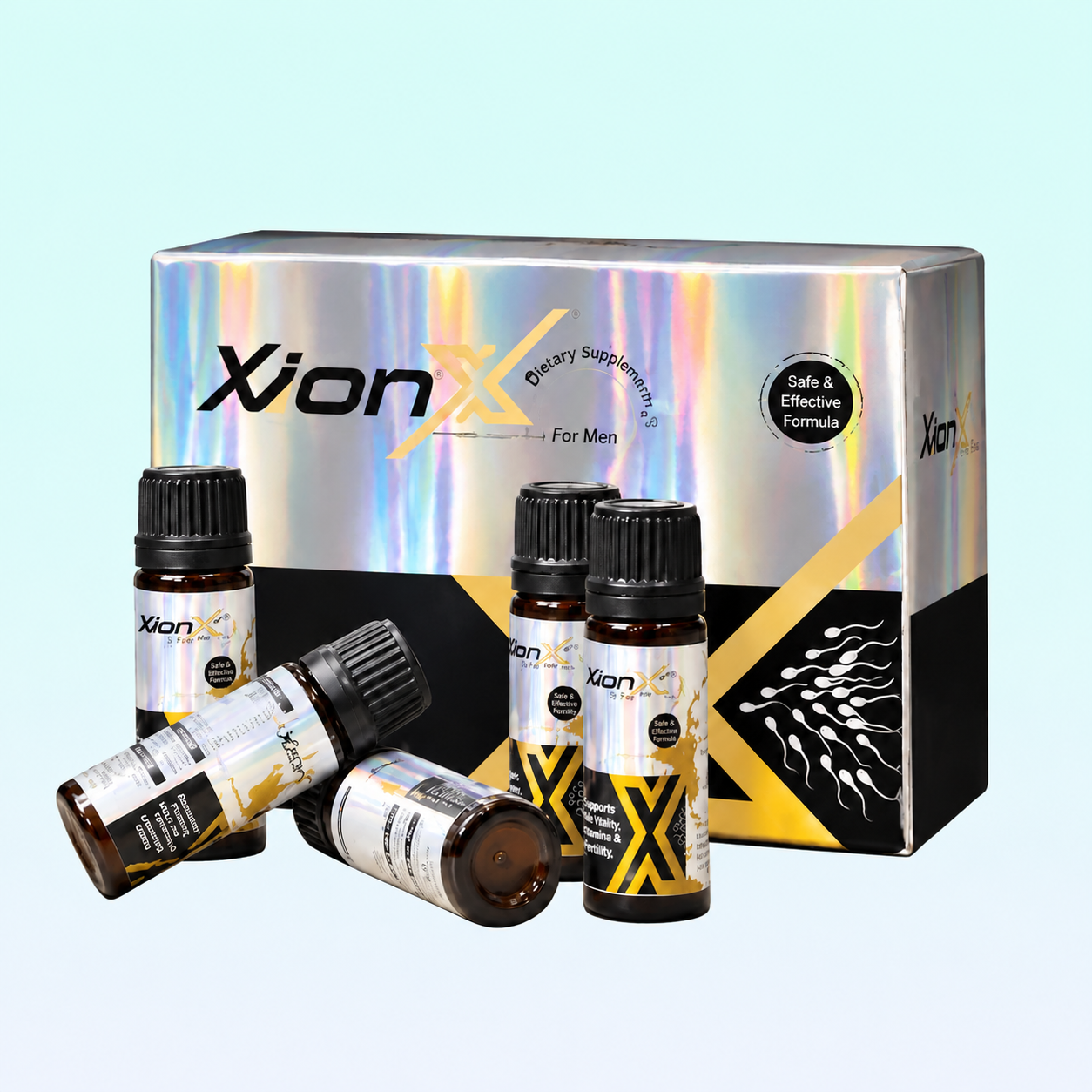
Before choosing a supplement, review its ingredients, recommended serving size, potential medication interactions, and suitability for your health needs. Supplementation should be discussed with a healthcare professional, particularly when fertility difficulties have already been identified.
Lifestyle Habits That May Support Sperm Health
Medical evaluation remains important, but everyday habits can also influence general reproductive health.
Maintain Healthy Daily Routines
Consider the following practical measures:
- Eat balanced meals containing protein, vegetables, fruits, and whole grains.
- Stay physically active through walking, resistance exercise, or other suitable activities.
- Avoid smoking and recreational anabolic steroids.
- Limit alcohol consumption.
- Maintain consistent sleep habits.
- Reduce unnecessary exposure to excessive heat around the testes.
These measures support overall health, although their effects on semen quality differ between individuals.
How Long Does Sperm Production Take?
Sperm development takes approximately 74 days, followed by additional maturation and transport. This explains why changes in sperm measurements may take several weeks or months to become apparent.
However, there is no guaranteed three-month improvement timeline. A clinician may recommend repeating semen analysis sooner or later depending on the initial findings and suspected cause.
Semen results can vary between samples. If your first report is abnormal, discuss repeat testing and possible causes with your doctor before starting multiple supplements.
When Should You Seek Medical Advice?
Couples should generally seek fertility evaluation after 12 months of regular unprotected intercourse without pregnancy. Earlier assessment is appropriate when the female partner is 35 or older, or when either partner has known fertility risk factors.
Men with testicular pain, swelling, previous reproductive conditions, or markedly abnormal semen results should seek timely assessment. Depending on the diagnosis, oligospermia treatment may involve addressing hormonal conditions, selected varicoceles, medication-related problems, or other identified causes.
Low sperm count can result from medical conditions, lifestyle exposures, or a combination of factors. Semen analysis helps assess sperm concentration, movement, and shape, but no single measurement determines fertility. Healthy habits and adequate nutrition support reproductive health, while the benefits of antioxidant supplements remain uncertain. Proper diagnosis is essential before choosing treatment.
Final Thoughts
Male fertility depends on several interconnected factors, including sperm production, hormonal health, and reproductive function. An abnormal semen analysis deserves attention, but it does not automatically mean conception is impossible.
Understanding oligospermia can help men approach fertility concerns with realistic expectations. Instead of depending entirely on supplements, prioritize medical evaluation, sustainable lifestyle habits, and appropriate follow-up.
At NexGen Health, we encourage informed choices about nutritional support while recognizing the importance of individualized reproductive healthcare.
This article provides general educational information and does not replace professional medical advice, diagnosis, or fertility treatment. Supplements are not proven to restore fertility in every individual. Consult a qualified urologist, andrologist, or reproductive specialist for persistent fertility concerns, abnormal semen results, or questions about supplements and medications.