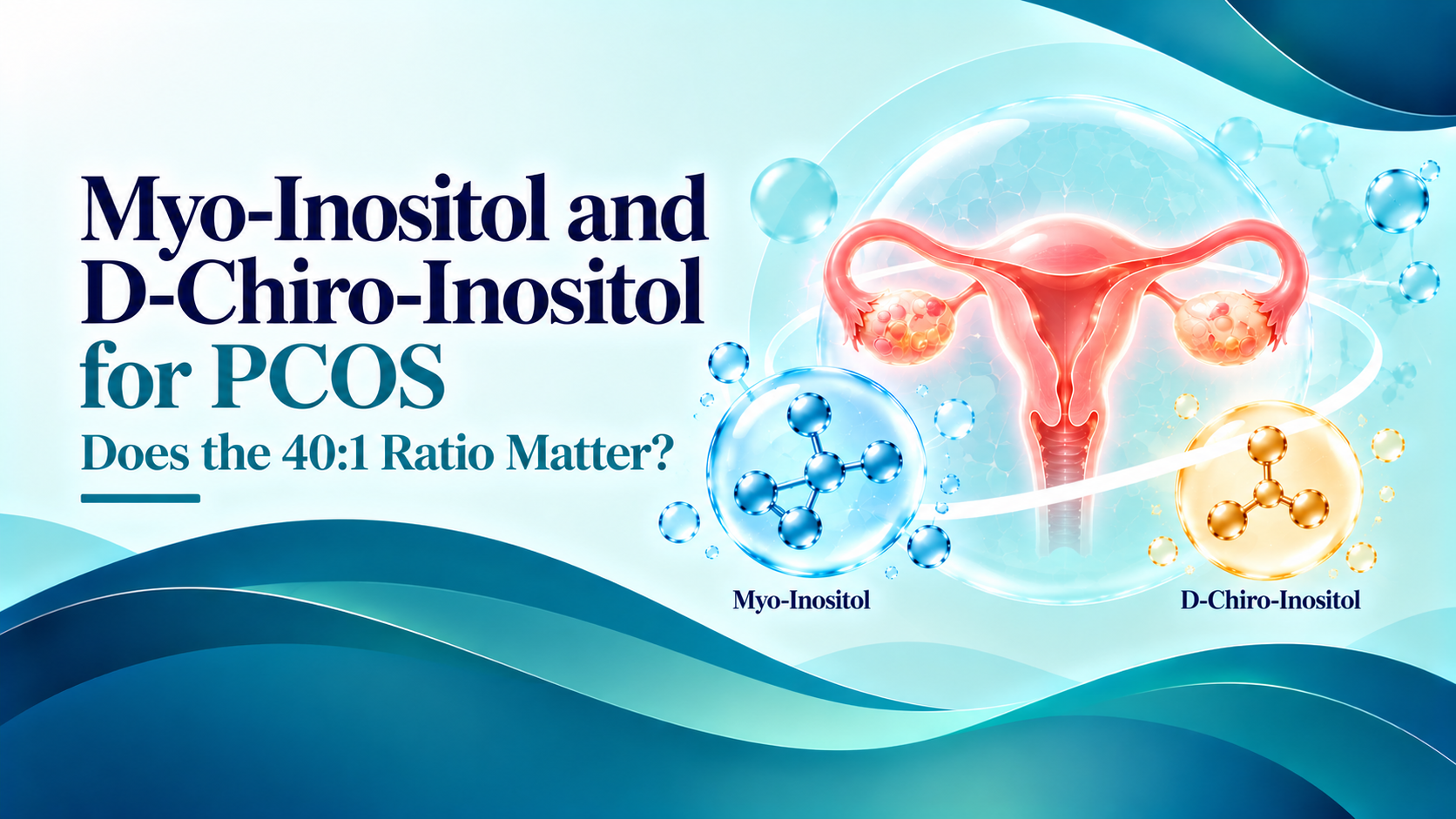
The 40:1 ratio combines 40 parts myo-inositol with one part D-chiro-inositol. Both substances are involved in insulin-related processes, making them important areas of PCOS research. Some studies suggest these supplements may improve certain metabolic measurements and menstrual patterns. However, there is not enough evidence to confirm that the 40:1 combination works better than other formulations or reliably restores ovulation.
Polycystic Ovary Syndrome (PCOS) affects hormone balance, menstrual cycles, and sometimes fertility. Many women with PCOS also experience insulin resistance, which means their bodies have difficulty responding effectively to insulin.
This can contribute to higher androgen levels, irregular periods, acne, and unwanted facial hair. Because insulin resistance plays a role in PCOS, researchers have investigated myo inositol uses for supporting metabolic and reproductive health.
Two forms are commonly studied: myo-inositol and D-chiro-inositol. Understanding their differences can help explain why some supplements combine them in a 40:1 ratio.
What Are Myo-Inositol and D-Chiro-Inositol?
Inositol is a naturally occurring substance found in the body and foods such as fruits, beans, and whole grains. It is sometimes called vitamin B8, although it is not officially classified as a vitamin because the body can produce it. Inositol participates in cellular communication, including processes that help the body respond to insulin.
Myo-Inositol and Its Role in PCOS
Myo-inositol (MI) is the most common form found in the human body. It helps support cellular signaling involved in insulin activity and ovarian function.
Researchers studying myo inositol benefits have explored its potential effects on:
- Insulin-related metabolic measurements.
- Menstrual cycle regularity.
- Hormonal balance in women with PCOS.
- Processes involved in normal ovarian function.
Some studies report encouraging results, but improvements vary between individuals.
How Is D-Chiro-Inositol Different?
D-chiro-inositol (DCI) is another form involved in insulin-related functions. The body can convert some myo-inositol into D-chiro-inositol through a natural enzyme-controlled process. DCI participates in pathways associated with glucose metabolism and glycogen storage. Although both forms contribute to cellular activity, their roles are not identical. This difference has encouraged researchers to investigate whether combining them provides additional benefits.
Why Is the 40:1 Inositol Ratio Popular for PCOS?
The 40:1 ratio is commonly discussed because researchers have examined the relationship between these two forms of inositol in the body. A supplement with this ratio contains 40 parts myo-inositol for every one part D-chiro-inositol.
For example, a formulation may provide 2,000 mg of myo-inositol alongside 50 mg of D-chiro-inositol.
Understanding the Ovarian Paradox
Researchers have proposed a concept called the ovarian paradox to explain certain metabolic changes associated with PCOS. In this condition, insulin resistance may affect different tissues in different ways. While muscle and other tissues may respond poorly to insulin, some ovarian responses can remain active.
Researchers suggest that this difference may influence the balance of myo-inositol and D-chiro-inositol within ovarian tissue. These changes could affect hormone signaling and follicle development.
However, the ovarian paradox remains a proposed explanation rather than a complete account of how PCOS develops.
Is the 40:1 Ratio Better Than Other Formulations?
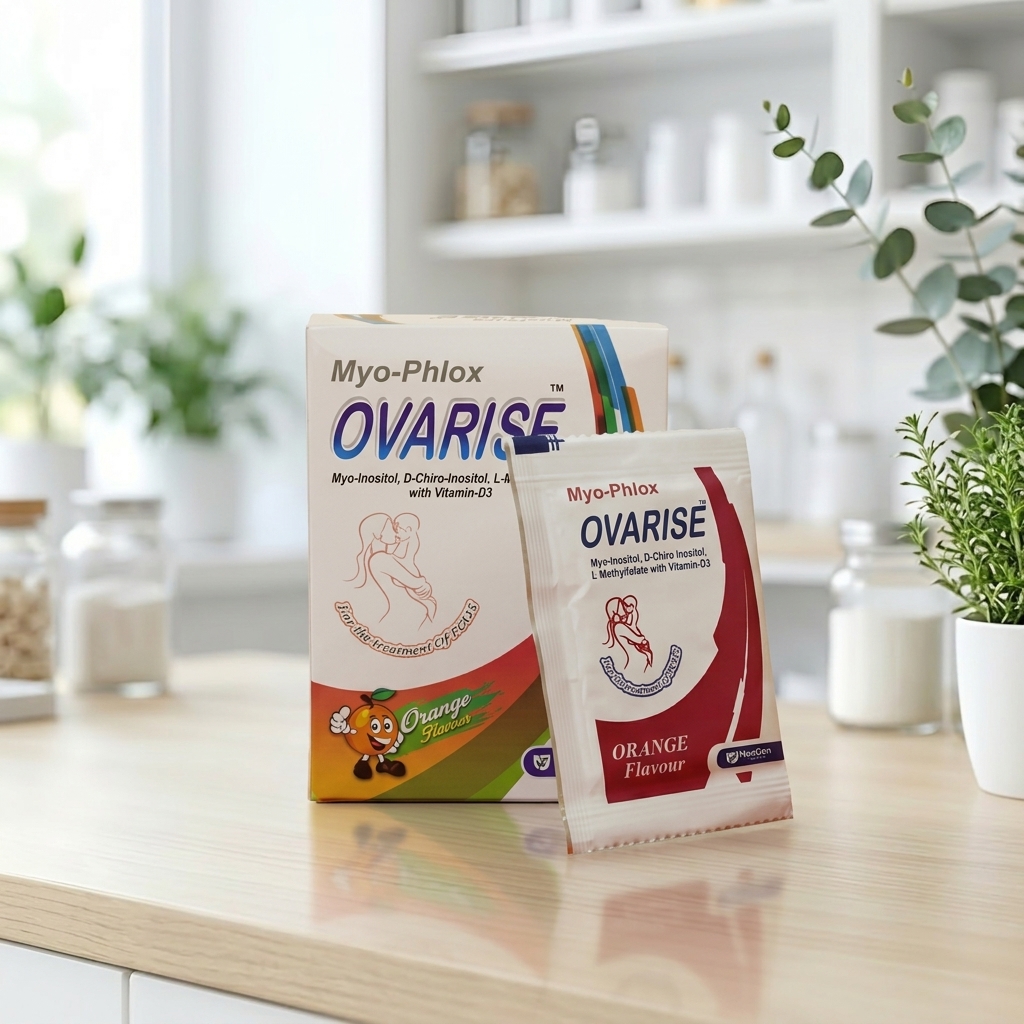
Ovarise Sachet (Advanced 40:1 Inositol Formula)
Ovarise Sachet combines myo-inositol and D-chiro-inositol in a 40:1 ratio with L-methylfolate, offering nutritional support for women exploring inositol supplementation as part of their PCOS care routine.
Some small clinical studies have reported positive outcomes with combined myo-inositol and D-chiro-inositol supplements. However, research findings differ because studies use different doses, treatment periods, and participant groups.
The 2023 International Evidence-based Guideline for PCOS does not recommend a particular inositol type, dose, or combination because the available evidence remains limited. Therefore, the 40:1 ratio should be viewed as a studied formulation, not a proven ideal for every woman with PCOS.
Can Higher Amounts of D-Chiro-Inositol Cause Problems?
Some experimental research has raised concerns about excessive D-chiro-inositol exposure and ovarian function. However, evidence is insufficient to conclude that every formulation containing more DCI harms egg quality.
The effects may depend on dosage, individual health factors, and treatment duration. Avoid taking high-dose supplements without discussing them with a qualified healthcare professional.
Potential Myo Inositol Uses and Benefits for PCOS
Researchers have examined inositol supplementation for several concerns associated with PCOS. The evidence suggests possible metabolic improvements, while fertility-related outcomes remain less certain.
| PCOS Concern | What Current Research Suggests |
|---|---|
| Insulin resistance | Some studies report improvements in insulin-related measurements |
| Irregular periods | Menstrual regularity may improve in certain individuals |
| Ovulation | Evidence is mixed, and consistent benefits are not established |
| Androgen levels | Some research suggests modest hormonal changes |
| Fertility and egg quality | Reliable improvements have not been established |
Supporting Insulin-Related Metabolic Health
Insulin resistance affects many women with PCOS, although not everyone experiences it. Some studies suggest that inositol supplements may improve fasting insulin and other metabolic measurements. However, they should not replace prescribed treatments or established lifestyle approaches.
Menstrual Regularity and Ovulation
Irregular ovulation is a common reason women with PCOS experience unpredictable menstrual cycles. Some research suggests inositol supplementation may improve cycle regularity for certain individuals.
However, evidence remains insufficient to guarantee improved ovulation or pregnancy outcomes. Women trying to conceive should discuss suitable fertility care with their gynecologist.
You can also read our guide on Irregular Periods in PCOS.
Skin and Hormonal Concerns
Higher androgen levels can contribute to acne and unwanted facial hair. Researchers investigating myo inositol benefits have also examined possible changes in androgen-related measurements. However, visible improvements in acne or facial hair are not consistent across studies. Additional skincare or medical treatment may still be necessary.
Myo Inositol Sachet Uses: Dosage and Daily Routine
Inositol supplements are available as capsules, powders, and dissolvable sachets. Understanding inositol sachet uses can help you compare formulations and follow appropriate product instructions.
How Are Inositol Sachets Commonly Taken?
Some PCOS studies have used 2,000 mg of myo-inositol twice daily, sometimes alongside D-chiro-inositol. However, this research schedule is not a universal dosage recommendation. There is currently insufficient evidence to establish one ideal amount for every woman with PCOS.
When exploring myo inositol sachet uses, check the ingredient amounts and consult your healthcare professional before starting supplementation. Follow the manufacturer's preparation instructions, as mixing directions may differ between products.
How Long Does It Take to Notice Changes?
There is no guaranteed timeline for changes in menstrual cycles, insulin-related measurements, or other PCOS symptoms. Some clinical studies assess outcomes after several weeks or months.
However, results vary depending on individual health, existing treatments, and the specific supplement formulation. Avoid increasing your dose simply because you have not noticed immediate improvements.
What Else Helps with PCOS Management?
Supplements are only one area of PCOS research.
A balanced approach may include:
- Eating regular meals with adequate protein and fiber.
- Staying physically active through enjoyable activities.
- Maintaining consistent sleep habits.
- Following prescribed medical treatments.
- Monitoring menstrual patterns and relevant metabolic health measures.
Understanding inositol sachet uses is helpful, but supplements should remain part of a broader, individualized care plan. Women planning pregnancy should also discuss appropriate folate supplementation with their healthcare professional.
Choosing an Inositol Supplement: What to Check
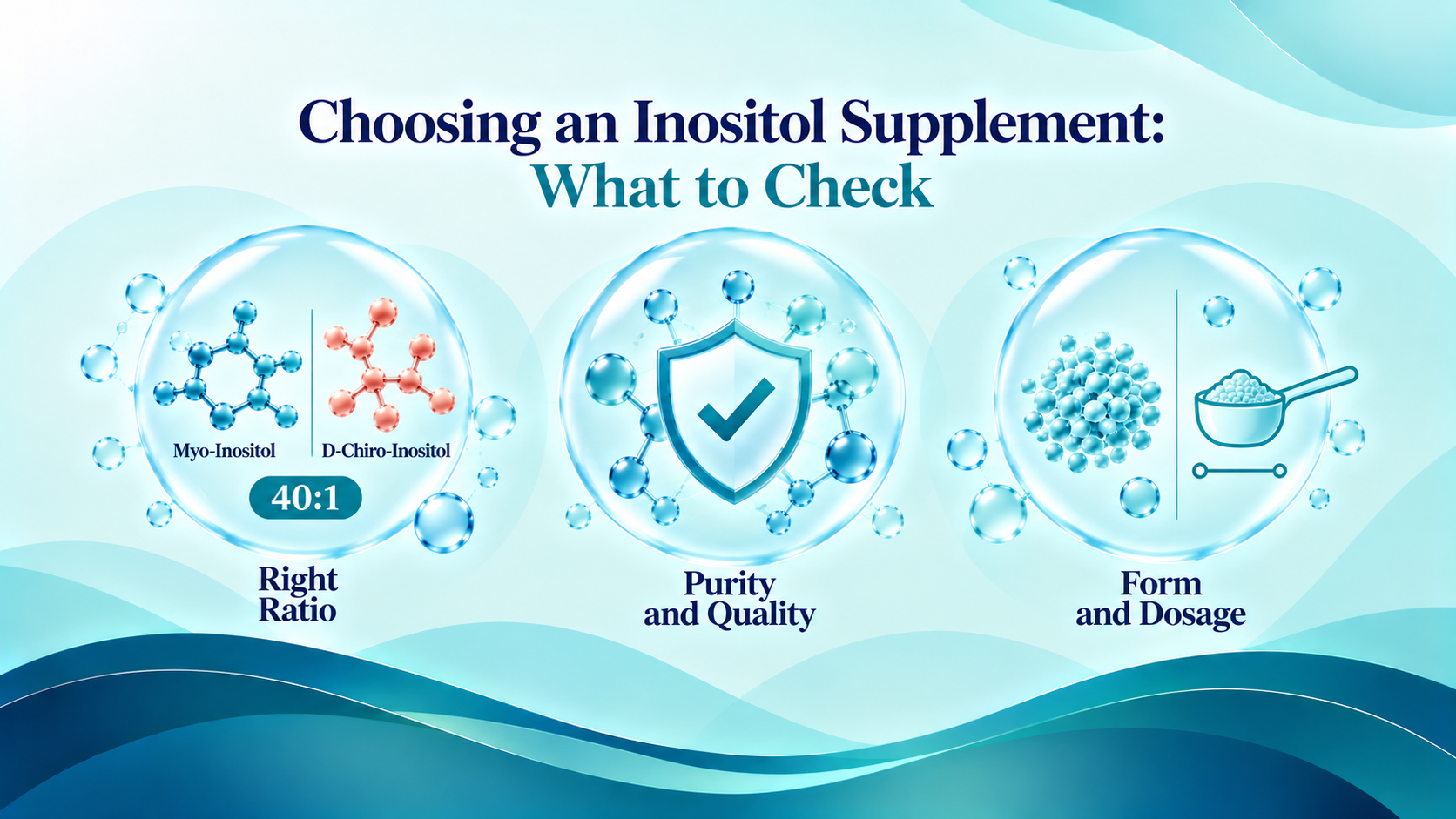
Before purchasing a supplement, examine its ingredient list rather than relying only on marketing claims.
Consider the following:
- Ingredient amounts: Check how much myo-inositol and D-chiro-inositol each serving provides.
- Formulation: Determine whether the product contains additional nutrients, such as folate.
- Usage instructions: Follow the recommended serving size and preparation method.
- Product quality: Choose products from reliable suppliers with clear labeling.
When comparing myo inositol sachet uses, remember that a particular ingredient ratio does not guarantee better results. Your healthcare professional can help determine whether supplementation is appropriate for your individual needs.
Myo-inositol and D-chiro-inositol are involved in insulin-related cellular processes. Their 40:1 combination is commonly studied for PCOS, but current evidence does not establish it as the best formulation for everyone. Some metabolic and menstrual improvements are possible, while fertility benefits remain uncertain. Supplement decisions should be based on individual health needs and professional guidance.
Final Thoughts: Understanding Inositol for PCOS
Research into myo inositol uses continues to explore possible benefits for women with PCOS. Although the 40:1 ratio has received attention, it should not be considered a guaranteed solution for insulin resistance, irregular periods, or fertility concerns.
The most useful approach is to understand the available evidence, choose supplements carefully, and maintain realistic expectations. At NexGen Health, you can explore nutritional supplements and learn more about ingredients commonly discussed in women's hormonal health.
If you're considering inositol supplementation, discuss your options with a qualified healthcare professional.
This article provides general educational information and does not replace professional medical advice. Inositol supplements are not established fertility treatments, and individual responses may vary. Consult a qualified gynecologist or endocrinologist before starting supplements, especially if you are pregnant, planning pregnancy, or taking medication for blood sugar management.