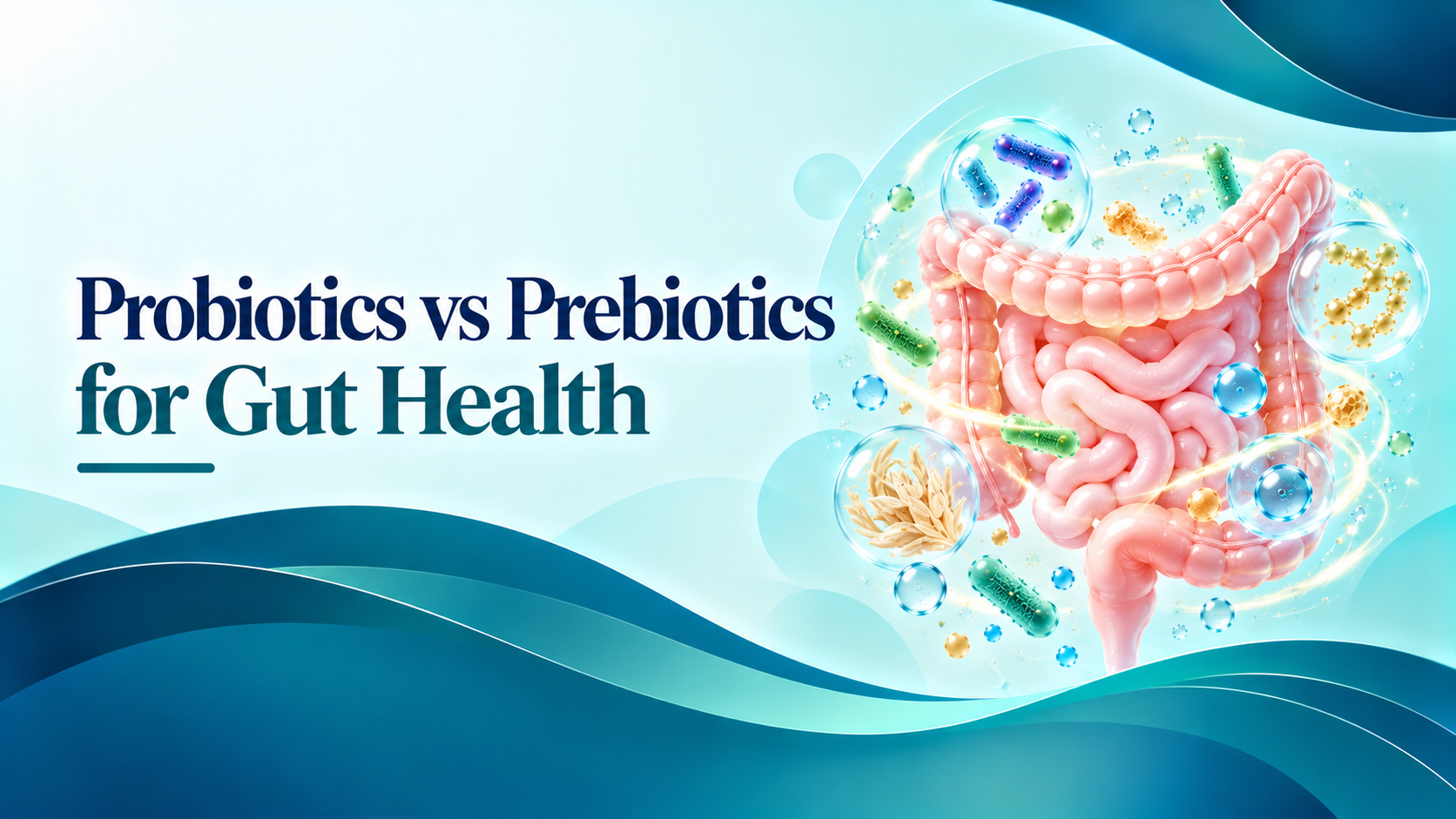
Probiotics are live beneficial microorganisms, such as Lactobacillus and Bifidobacterium, that replenish your intestinal microflora. Prebiotics are non-digestible plant fibers that act as fuel for these friendly microbes. Together, they create a balanced ecosystem that suppresses gas-producing pathogens, optimizes nutrient absorption, and supports overall gut health. When your microbiome is balanced, chronic stomach bloating, acidity, and irregular digestion subside naturally.
Digestive discomfort is an everyday reality for millions in Pakistan, where rich spiced curries, fried snacks, and frequent antibiotic use challenge intestinal balance.
Many people rely on fizzy antacid drinks or stomach relief syrups. While these offer immediate temporary cooling, they do not resolve the underlying microbial imbalances inside your intestinal tract.
Understanding how friendly bacteria and prebiotic fibers work together allows you to restore smooth, calm digestion naturally.
Understanding the Microbiome: Your Internal Digestive Ecosystem
Long-term digestive comfort depends on a diverse population of trillions of bacteria residing within your large intestine.
The Roles of Beneficial Bacteria: Nutrient Breakdown and Immune Defense
Friendly bacteria help digest complex carbohydrates, produce anti-inflammatory short-chain fatty acids like butyrate, and synthesize essential B vitamins and Vitamin K.
They also form a physical barrier along your intestinal lining, preventing food antigens and harmful microbes from entering your bloodstream.
Dysbiosis: What Happens When Harmful Microbes Overgrow
When poor diet, illness, or medications reduce friendly flora, opportunistic gas-producing microbes take over in a state known as dysbiosis.
These bacteria ferment undigested sugars rapidly. This fermentation explains what is stomach bloating, characterized by visible abdominal distention, trapped gas, and fullness.
The Gut-Brain Connection: Why Stress Triggers Indigestion
The vagus nerve establishes constant two-way communication between your central nervous system and the enteric nervous system inside your gut.
Mental stress and anxiety immediately alter gut motility, slowing stomach emptying and causing sudden cramps or irregularity.
Friendly Bacteria and Plant Fibers: The Synbiotic Partnership
Understanding the distinct roles of probiotics vs prebiotics is essential for choosing effective digestive support.
| Microbial Factor | Probiotics | Prebiotics | Synbiotic Synergy |
|---|---|---|---|
| Biological Nature | Live beneficial bacterial cultures | Non-digestible plant soluble fibers | Combined live bacteria with targeted food |
| Primary Mechanism | Colonize gut lining, crowd out toxins | Nourish and multiply friendly colonies | Ensures bacterial survival and rapid action |
| Common Sources | Yogurt, kefir, fermented foods, sachets | Inulin, FOS, garlic, onions, oats | Multi-strain sachets with FOS prebiotic fibers |
Probiotics: Introducing Live Reinforcements
Adding targeted probiotics for gut health delivers live, friendly bacteria like Bifidobacterium and Lactobacillus directly into the digestive tract.
These beneficial strains produce lactic acid, creating an acidic environment that suppresses gas-producing organisms.
Prebiotics: Specialized Fuel for Friendly Flora
Prebiotics are plant-based soluble fibers such as Fructooligosaccharides (FOS) that resist human stomach enzymes.
They reach the large bowel intact, where good bacteria ferment them into nourishing fuel that strengthens the mucosal barrier.
The Synbiotic Concept: Why Combining Them Delivers Superior Relief
Consuming probiotics without prebiotic fuel reduces bacterial survival rates in the digestive tract.
A synbiotic formula pairs living strains with their preferred prebiotic food, ensuring robust colonization and faster digestive comfort.
Pakistani Dietary Realities: Oil, Spices, and Common Triggers
Examining daily culinary habits helps clarify what is stomach bloating in households that regularly consume heavy meals.
Protecting everyday intestinal comfort requires combining smart dietary adjustments with targeted synbiotic supplementation.
Goulet Digestive Sachets - Multi-Strain Synbiotic
Approved multi-strain synbiotic supplement combining live probiotic cultures with prebiotic fibers to relieve bloating, gas, and digestive acidity.

Heavy Desi Ghee, Trans Fats, and Delayed Gastric Emptying
High-fat gravies, parathas, and fried foods delay stomach emptying, increasing pressure on the lower esophageal sphincter.
This delayed transit causes acid reflux, sour burping, and prolonged post-meal heaviness.
The Impact of Over-the-Counter Antibiotics on Intestinal Flora
Self-medicating with antibiotics for minor throat colds or seasonal fevers wipes out beneficial intestinal bacteria.
This creates a microbial vacuum that allows opportunistic bacteria to multiply, leading to chronic post-antibiotic bloating.
Addressing Water Quality and Foodborne Microbial Disruptions
Contaminated tap water and outdoor street food introduce amoebic pathogens that trigger gut inflammation.
Regular probiotic supplementation helps restore intestinal lining resilience after episodes of traveler's diarrhea or food poisoning.
How to Build a Complete Digestive Health Protocol
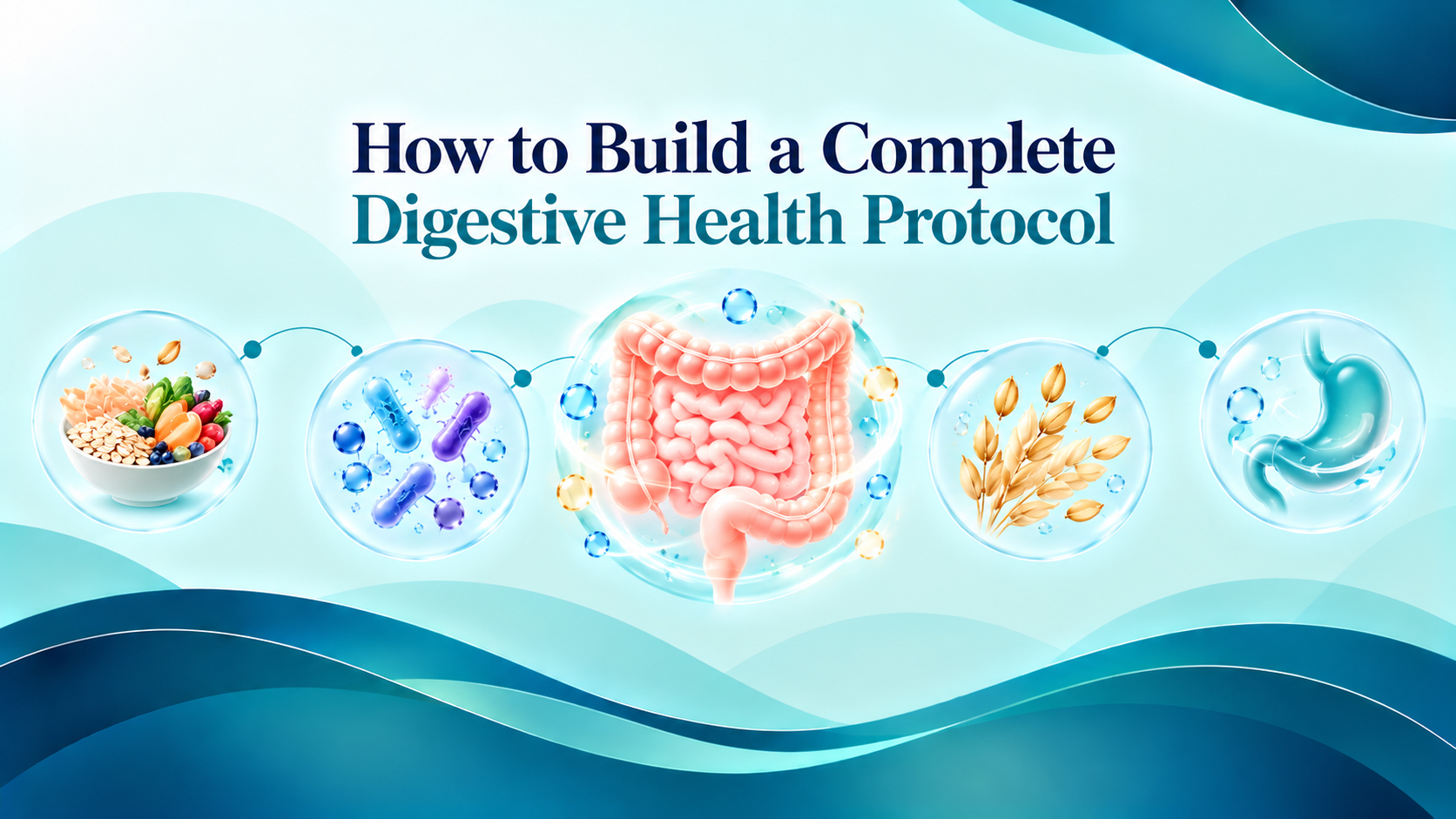
Using probiotics for gut health works best when integrated into a structured daily routine.
Timing and Administration: When to Take Probiotic Sachets
Dissolve your synbiotic sachet in room-temperature water and drink twenty minutes before breakfast or at bedtime.
Taking probiotics on an empty stomach minimizes exposure to harsh gastric acid, ensuring live bacteria reach the intestines.
Dietary Adjustments: Increasing Fermented and High-Fiber Foods
- Daily Fresh Yogurt: Eat a cup of unsweetened homemade dahi daily to provide natural live cultures.
- Soluble Fiber Foods: Incorporate ripe bananas, cooked lentils, and oats to supply natural prebiotics.
- Mindful Hydration: Drink two to three liters of clean water daily to support comfortable bowel transit.
Clarifying the complementary roles of beneficial microbes and prebiotic plant fibers helps you make informed daily nutrition choices.
Probiotics deliver beneficial live bacteria while prebiotics provide the nourishing fiber they need to thrive. Combining both through wholesome foods and targeted synbiotics helps eliminate gas, reduce bloating, and maintain calm digestion.
Final Thoughts
Achieving lasting digestive freedom requires addressing the root causes of microflora imbalance rather than masking symptoms with temporary antacids. By pairing beneficial live probiotics with nourishing prebiotic fibers, you supply your digestive system with the exact biological tools it needs to thrive. Maintain balanced meal habits, moderate heavy cooking oils, and avoid unnecessary antibiotic overuse that disrupts healthy intestinal flora. With consistent synbiotic support, adequate hydration, and mindful nutrition, comfortable digestion, a calm stomach, and lasting vitality are entirely within your reach.
This informational article is for educational purposes only and does not substitute for medical, gastroenterological, or clinical diagnosis. Always consult a qualified physician if you experience unexplained weight loss, persistent vomiting, severe abdominal pain, or blood in stool, as these symptoms require clinical investigation. NexGen Health does not guarantee identical digestive outcomes, as individual microbiome composition, diet, and metabolic health vary.