
Topical Pain Relief for Joint Stiffness and Muscle Spasms: Ingredients, Benefits, and Safe Use
Topical pain relief creams and oils may temporarily ease minor joint aches, muscle soreness, and stiffness by producing cooling or warming sensations on the skin. Ingredients such as menthol, camphor, and methyl salicylate influence sensory nerve activity and can make discomfort feel less noticeable. They provide symptom relief but do not repair damaged cartilage or treat the underlying cause of persistent joint pain.
Waking up with stiff knees, feeling muscle tightness after exercise, or experiencing an aching back can make everyday movement uncomfortable. Topical creams, gels, and oils offer a convenient way to manage localized discomfort without immediately relying on oral pain medication.
But how do these products work, and which ingredients are actually useful? Understanding their benefits and limitations can help you choose suitable options and use them safely.
How Do Topical Pain Relief Products Work?
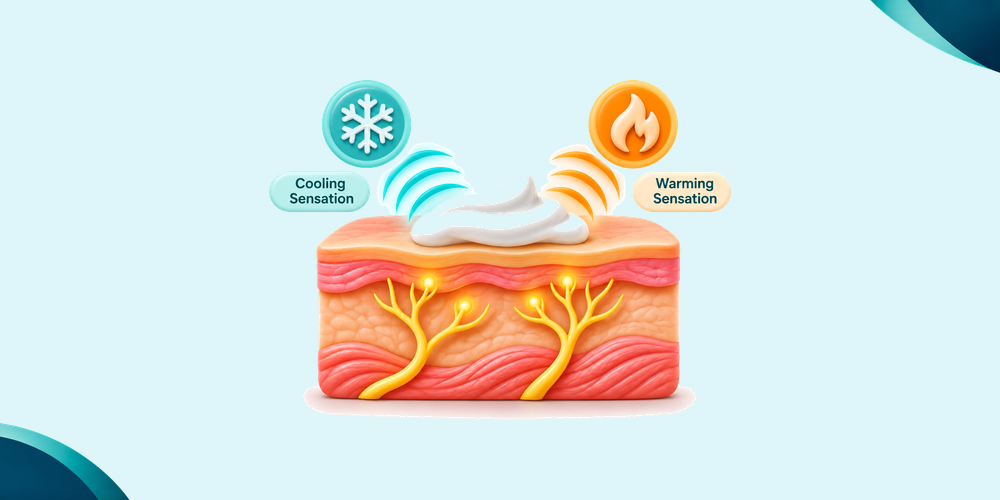
Topical pain relief products are applied directly to the skin over uncomfortable muscles or joints. Depending on their ingredients, they may produce cooling, warming, or soothing sensations that temporarily change how pain is perceived.
Understanding the Gate-Control Theory of Pain
The gate-control theory helps explain why rubbing or gently massaging an uncomfortable area can sometimes reduce the sensation of pain. Sensory signals from touch may influence how pain signals are processed in the spinal cord.
Some topical ingredients also activate temperature-sensitive nerve receptors, creating sensations that compete with discomfort. However, topical products do not literally switch off pain signals or permanently desensitize nerves.
Why Cooling and Warming Sensations Help
Menthol creates a cooling sensation by activating cold-sensitive receptors in the skin. Camphor can produce cooling or warming sensations depending on its concentration and formulation.
These effects may make sore muscles and stiff joints feel more comfortable temporarily. The sensation of warmth does not necessarily mean that inflammation is being removed or that deeper tissues are healing faster.
Key Pain Relief Oil Ingredients and Their Benefits
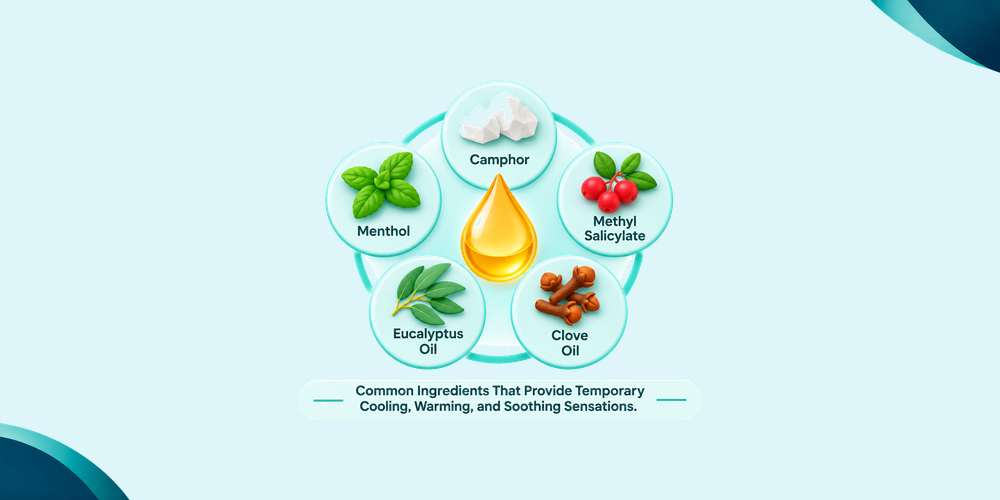
Different formulations contain different combinations of active ingredients. Understanding common pain relief oil ingredients can help you compare products based on their intended effects rather than relying on claims of instant healing.
| Ingredient | Main Action | Potential Benefit |
|---|---|---|
| Menthol | Activates cooling receptors | Temporary relief from minor aches |
| Camphor | Produces cooling or warming sensations | Soothes localized muscle discomfort |
| Methyl salicylate | Acts as a topical salicylate | Temporary relief from minor muscle and joint pain |
| Eucalyptus oil | Produces an aromatic, cooling sensation | May improve the feeling of comfort |
| Clove oil | Contains eugenol | May have mild local soothing effects |
Menthol: Cooling Relief for Sore Muscles
Menthol activates TRPM8 receptors, which respond to cooling sensations. This can temporarily make minor muscle aches feel less noticeable. Menthol-containing products are commonly used after physical activity or for localized discomfort.
Camphor: A Warming and Cooling Counter-Irritant
Camphor interacts with sensory receptors in the skin. Depending on the formulation, it may create cooling, warming, or tingling sensations that distract from minor aches. Because camphor can be harmful if swallowed, products containing it should always be stored away from children.
Methyl Salicylate: Targeted Topical Comfort
Methyl salicylate is a salicylate commonly used in topical products for temporary relief of minor muscle and joint pain. It is also a major component of wintergreen oil. Although applied to the skin, methyl salicylate can enter the bloodstream, especially when used excessively or under heat and tight coverings.
People taking blood-thinning medicines or who have aspirin sensitivity should seek medical advice before using these products.
What About Botanical Essential Oils?
Some topical herbal oils for muscle soreness contain eucalyptus, clove, or other botanical extracts. These ingredients may provide soothing sensations, but evidence for their effectiveness in treating persistent joint disorders is limited.
Essential oils can also cause irritation or allergic reactions, particularly when applied undiluted.
A strong cooling or warming sensation does not necessarily indicate that a product is more effective. Choose topical formulations according to their ingredients, directions, and suitability for your skin.
When Can Topical Products Help?
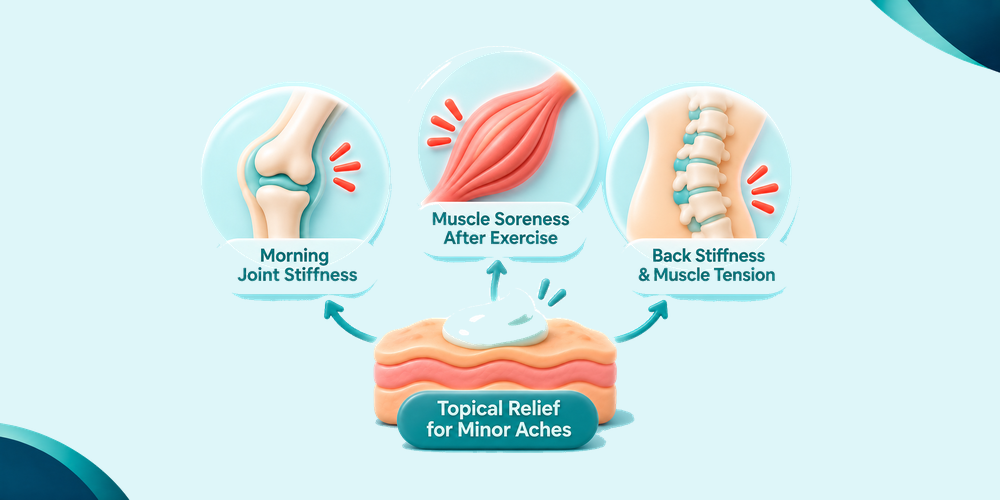
Topical treatments may be useful for minor localized aches, but their effectiveness depends on the cause of discomfort.
Morning Joint Stiffness
Morning joint stiffness may occur after inactivity, with osteoarthritis, or as a result of inflammatory conditions. Gentle movement, appropriate exercise, and warm compresses can help some people feel more comfortable. A topical pain relief product may provide temporary additional comfort.
However, prolonged stiffness, swelling, or worsening symptoms require medical assessment. For further guidance, read our article on Understanding Knee and Joint Pain.
Muscle Soreness After Exercise
Mild muscle soreness commonly develops after unfamiliar or strenuous activity. Rest, gradual movement, adequate hydration, and appropriate recovery time can help. Some people use topical herbal oils for muscle soreness alongside gentle massage.
While these products may improve comfort, they have not been proven to accelerate muscle tissue recovery.
Back Stiffness and Muscle Tension
Back discomfort may develop from prolonged sitting, physical strain, or muscle tension. Gentle stretching and regular movement may help when symptoms are uncomplicated. Topical counter-irritants can provide temporary relief from minor muscular aches.
Persistent pain, numbness, weakness, or symptoms extending down the legs should be evaluated by a healthcare professional.
Choosing a Suitable Topical Pain Relief Product
Before selecting a cream or oil, consider the type of discomfort, your medical history, and the active ingredients.
Creams, Gels, and Oils: What's the Difference?
- Creams: Often convenient for applying to a specific area without excessive greasiness.
- Gels: May feel lighter and absorb quickly, depending on their formulation.
- Massage oils: Allow easier spreading during massage but may contain essential oils that irritate sensitive skin.
The formulation alone does not determine effectiveness. The active ingredients and their concentrations matter more.
Does Stronger Warming Mean Better Relief?
Not necessarily. Products that create intense heat or tingling can irritate the skin without providing better pain relief. Avoid combining multiple counter-irritant products in the same area unless directed by a healthcare professional.
Support Joint Comfort & Easy Movement
Experience targeted comfort for tired muscles and stiff joints with a topical cream containing menthol, camphor, and eucalyptus oil to help temporarily relieve minor aches.

How to Apply Topical Pain Relief Products Safely
Correct application is important because even externally applied products can cause side effects.
Step 1: Check the Skin
Apply topical products only to intact skin. Avoid open wounds, irritated areas, rashes, and infected skin.
Step 2: Follow the Label
Use the recommended quantity and application frequency. Do not assume that applying more products will provide stronger or longer-lasting relief.
Step 3: Massage Gently
If the product instructions permit massage, spread it gently over the affected area. Avoid forceful rubbing, particularly around swollen or injured joints.
Step 4: Wash Your Hands
Wash your hands after application unless the hands are the treated area. Keep the product away from your eyes, mouth, and other sensitive areas.
Step 5: Avoid Heat and Tight Coverings
Never apply a heating pad or hot-water bottle over topical products containing menthol, camphor, or methyl salicylate. Heat and occlusive coverings can increase irritation, burns, or ingredient absorption.
Stop using a topical product if it causes severe burning, blistering, swelling, or an allergic reaction. Seek medical advice if symptoms persist.
Can Topical Pain Relief Replace Oral Medication?
Topical products may help some people manage minor localized discomfort, but they are not suitable replacements for every type of pain treatment. Counter-irritant creams primarily provide temporary symptom relief.
Prescription or over-the-counter topical anti-inflammatory medicines, such as certain diclofenac formulations, work differently and have stronger evidence for specific conditions, including some forms of osteoarthritis.
Topical medicines may result in lower systemic exposure than comparable oral treatments, but they are not completely free from side effects. People with chronic joint conditions should discuss appropriate treatment options with a clinician.
Daily Habits That Support Joint and Muscle Comfort
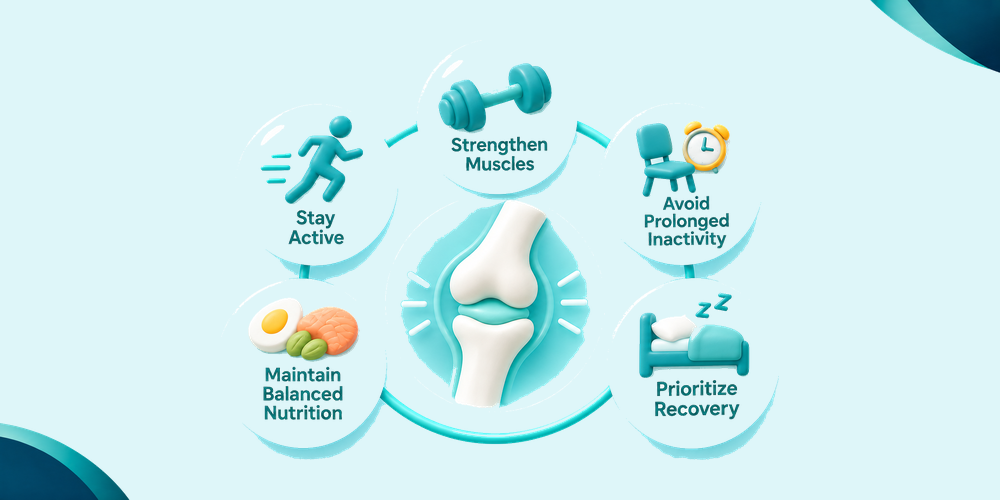
Long-term mobility depends on more than occasional topical relief.
Consider these supportive habits:
- Stay active: Regular, low-impact exercise helps maintain joint mobility.
- Strengthen muscles: Appropriate resistance exercises support the muscles surrounding joints.
- Avoid prolonged inactivity: Take movement breaks during extended sitting.
- Maintain balanced nutrition: Adequate protein and essential nutrients support normal muscle and bone health.
- Prioritize recovery: Allow sufficient rest after strenuous physical activity.
Nutritional supplements may be appropriate for certain deficiencies, but they should not be presented as guaranteed solutions for cartilage repair or chronic joint pain.
Topical creams and oils containing menthol, camphor, or methyl salicylate may temporarily relieve minor joint and muscle discomfort. Their cooling and warming effects influence pain perception rather than correcting the underlying condition. Safe application, gentle movement, and appropriate medical evaluation remain essential.
When Should You See a Doctor?
Seek medical advice if joint or muscle pain:
- Persists or progressively worsens.
- Is accompanied by significant swelling or redness.
- Causes difficulty walking or bearing weight.
- Follows a serious injury.
- Occurs alongside numbness or weakness.
A hot, swollen joint with fever requires urgent medical assessment.
Final Thoughts
Topical pain relief products can be a useful addition to everyday muscle and joint care when used appropriately. Understanding common pain relief oil ingredients helps you distinguish temporary sensory comfort from treatments that address underlying medical conditions. Whether you're dealing with occasional muscle soreness or mild stiffness, focus on safe product use, regular movement, and appropriate recovery.
For more practical health and wellness information, explore NexGen Health.
This article is for educational purposes only and does not replace professional medical advice. Topical pain relief products are intended for appropriate symptom management and should not be used to self-treat serious injuries, inflammatory joint disorders, or persistent unexplained pain. Always follow product labeling and consult a healthcare professional when necessary.