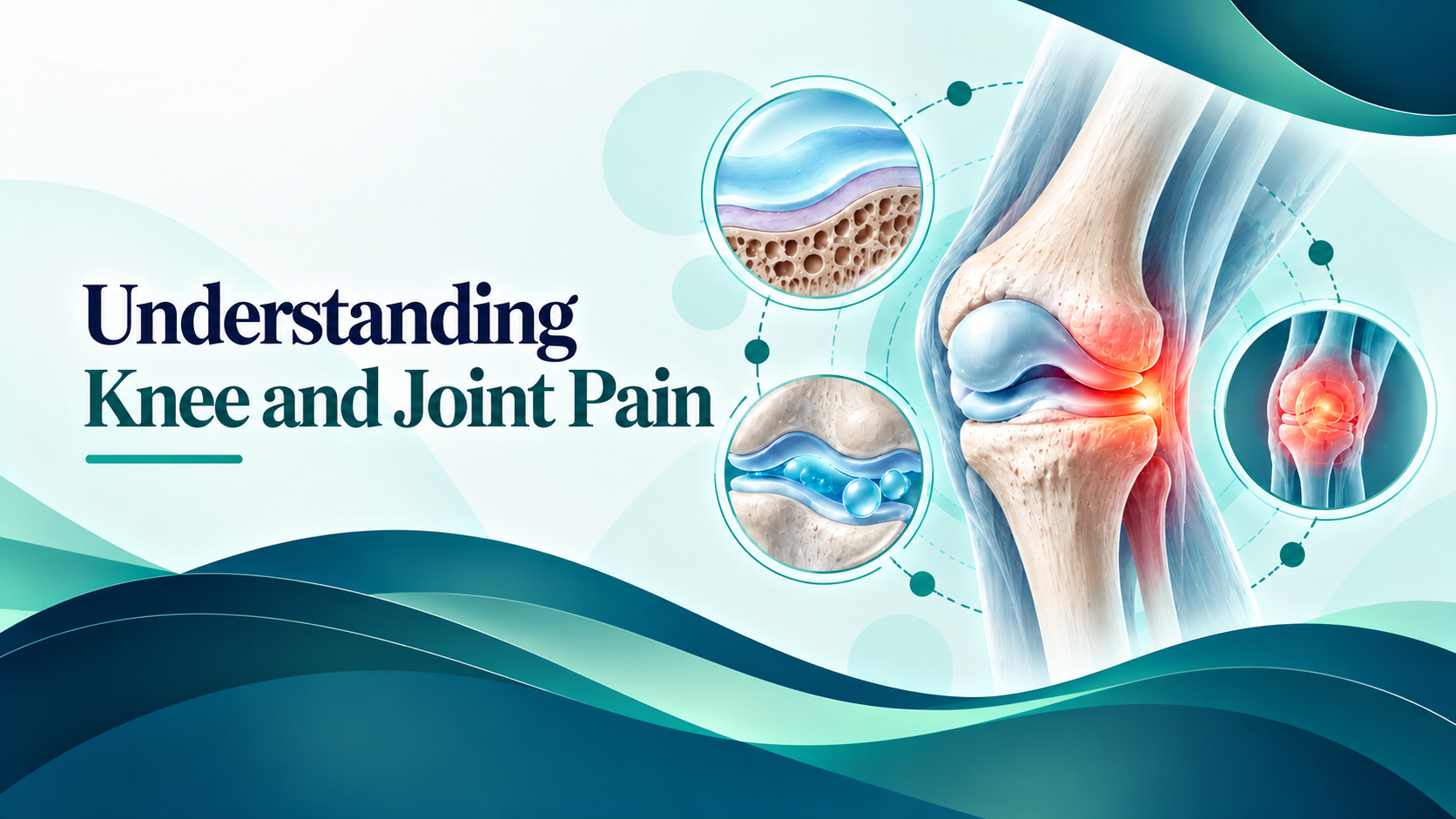
Common knee pain causes include cartilage wear, previous injuries, repeated strain, and excess body weight. These factors can contribute to inflammation, discomfort, and reduced movement. Morning stiffness may also occur, especially with certain joint conditions. Managing symptoms often involves gentle exercise, stronger leg muscles, healthy weight management, and appropriate medical advice.
Knee pain can make everyday activities like walking, climbing stairs, and sitting uncomfortable. It can affect people of different ages, including homemakers, office workers, and older adults.
Pain relief tablets may ease discomfort temporarily, but they do not address every underlying cause. Understanding how your joints work can help you make better decisions about daily movement and joint care.
How Joints Work: Cartilage and Synovial Fluid
Your knee contains several structures that work together to support movement and absorb pressure. Cartilage and synovial fluid play important roles in keeping the joint moving smoothly.
How Cartilage Protects Your Knees
Articular cartilage is a smooth tissue covering the ends of bones inside your knee. It helps reduce friction and allows the bones to move comfortably against each other. Cartilage has a limited ability to repair itself because it lacks a direct blood supply. Significant damage may therefore require professional assessment and long-term management.
Synovial Fluid and Joint Movement
Synovial fluid lubricates the surfaces inside your knee and helps reduce friction during movement. It also supplies nutrients to cartilage, supporting normal joint function. Inflammation can affect the joint environment and contribute to pain or stiffness. Cartilage changes and other joint problems may also make everyday movements more difficult.
Why Joints Become Stiff
Cartilage changes, inflammation, and reduced movement can contribute to joint discomfort. Some people experience joint stiffness in morning hours, particularly after remaining still overnight. Gentle movement may help ease temporary stiffness and make getting started easier. However, persistent stiffness or worsening pain should be assessed by a healthcare professional.
Understanding Arthritis vs Joint Strain
Knowing the difference between arthritis vs joint strain can help you understand possible causes of knee discomfort. However, symptoms can overlap, so a healthcare professional may need to assess your condition.
| Feature | Osteoarthritis | Joint Strain |
|---|---|---|
| Onset | Often develops gradually | May begin after twisting or overexertion |
| Common symptoms | Pain, stiffness, and reduced movement | Pain and tenderness around affected tissues |
| Possible cause | Changes in cartilage and other joint structures | Injury or overstretching of soft tissues |
| General care | Exercise, symptom management, and medical guidance | Appropriate rest and gradual rehabilitation |
Osteoarthritis and Cartilage Changes
Osteoarthritis is a joint condition involving changes to cartilage and surrounding structures. It can develop gradually and cause pain, stiffness, and difficulty bending the knee. Some people notice discomfort after walking or climbing stairs. Clicking sounds can also occur, although clicking alone does not necessarily indicate arthritis.
Ligament and Tendon Strains
Strains and related soft tissue injuries may follow sudden twisting, awkward steps, or excessive physical activity. Symptoms can include pain, tenderness, swelling, and difficulty moving the affected area. Recovery depends on the injury's severity and the tissues involved. Appropriate rest and guided rehabilitation can help, but significant injuries require medical evaluation.
When Knee Pain Needs Medical Attention
Some symptoms require prompt assessment rather than home treatment alone. Seek urgent medical care if you cannot bear weight, develop severe swelling, or experience sudden joint locking. A hot, swollen joint accompanied by fever also requires urgent medical attention. Early assessment can help identify the cause and guide appropriate treatment.
Daily Habits That Affect Joint Health
Everyday routines can influence knee comfort, particularly when they involve repeated pressure or prolonged inactivity. Understanding common knee pain causes can help you identify habits worth adjusting.
Floor Sitting, Squatting, and Climbing Stairs
Deep squatting and sitting cross-legged may increase pressure around the knee. These positions can feel uncomfortable for people with existing joint problems. Use a chair when floor sitting causes discomfort, and avoid forcing painful movements. Holding a handrail while climbing stairs may also improve stability and reduce strain.
Inactivity and Body Weight
Long periods of sitting can make joints feel stiff when you start moving again. Taking regular movement breaks and walking comfortably may help maintain mobility.
Excess body weight can increase pressure on weight-bearing joints during everyday activities. Gradual weight management, when appropriate, may help reduce knee strain.
Nutritional Support for Healthy Joints
A balanced diet provides nutrients needed for normal bone, muscle, and connective tissue function. Protein, vitamins, and minerals all contribute to maintaining overall musculoskeletal health. Collagen and glucosamine supplements are marketed for joint support, but their benefits vary between individuals. They cannot rebuild damaged cartilage or replace appropriate medical treatment.
Joint Health & Mobility Support
Support your everyday joint wellness with OrthoMov Tablets. Designed to complement a healthy lifestyle and help you maintain an active routine.

Gentle Exercises for Better Knee Mobility
Suitable movement can help maintain flexibility, strengthen supporting muscles, and improve everyday function. However, the best mobility exercises for knee pain depend on your symptoms and physical abilities. Start gently and stop if an exercise causes sharp or increasing pain. Seek professional guidance if you have a recent injury or significant joint swelling.
Strengthening Exercises for the Thigh Muscles
The quadriceps muscles at the front of your thighs help support your knees. Strengthening these muscles can improve stability and make everyday activities easier.
Straight Leg Raises
- Lie on your back with one leg bent and the other straight.
- Tighten the thigh muscle of your straight leg and lift it comfortably.
- Hold briefly, then lower your leg slowly and with control.
Seated Knee Extensions
- Sit upright on a sturdy chair with your feet resting on the floor.
- Slowly straighten one knee without forcing the movement.
- Pause briefly, then lower your foot and repeat comfortably.
Begin with a small number of repetitions and increase gradually as tolerated. If either exercise worsens your symptoms, stop and seek appropriate guidance.
Gentle Movements for Morning Stiffness
Heel slides can help gently move the knee after a period of rest. Lie on your back and slowly slide one heel toward your body, bending the knee comfortably. Then slide your heel away to straighten your leg without forcing the movement. These gentle movements may help ease joint stiffness in morning routines before walking.
Regular activity and appropriate strengthening can support daily mobility over time. Consistency matters more than pushing through pain or completing difficult exercises.
Protecting your knees involves balancing movement, muscle strength, and sensible daily habits. Avoid prolonged inactivity, manage body weight where appropriate, and choose activities that suit your abilities. Gentle exercise may help improve mobility, while professional guidance can address persistent or worsening symptoms. Nutritional support may complement healthy habits, but it should not replace necessary treatment.
Final Thoughts
Healthy knees depend on regular movement, supportive muscles, and habits that reduce unnecessary strain. Understanding your symptoms can help you choose sensible steps toward better everyday mobility. Start with gentle exercises, avoid movements that worsen pain, and seek advice when symptoms persist. With an appropriate care plan, many people can improve their comfort and maintain daily activities.
This article provides general information and does not replace medical diagnosis or treatment. Consult a qualified healthcare professional before starting new exercises or supplements, particularly after an injury or with existing medical conditions. Individual results vary, and nutritional supplements do not guarantee improved mobility.