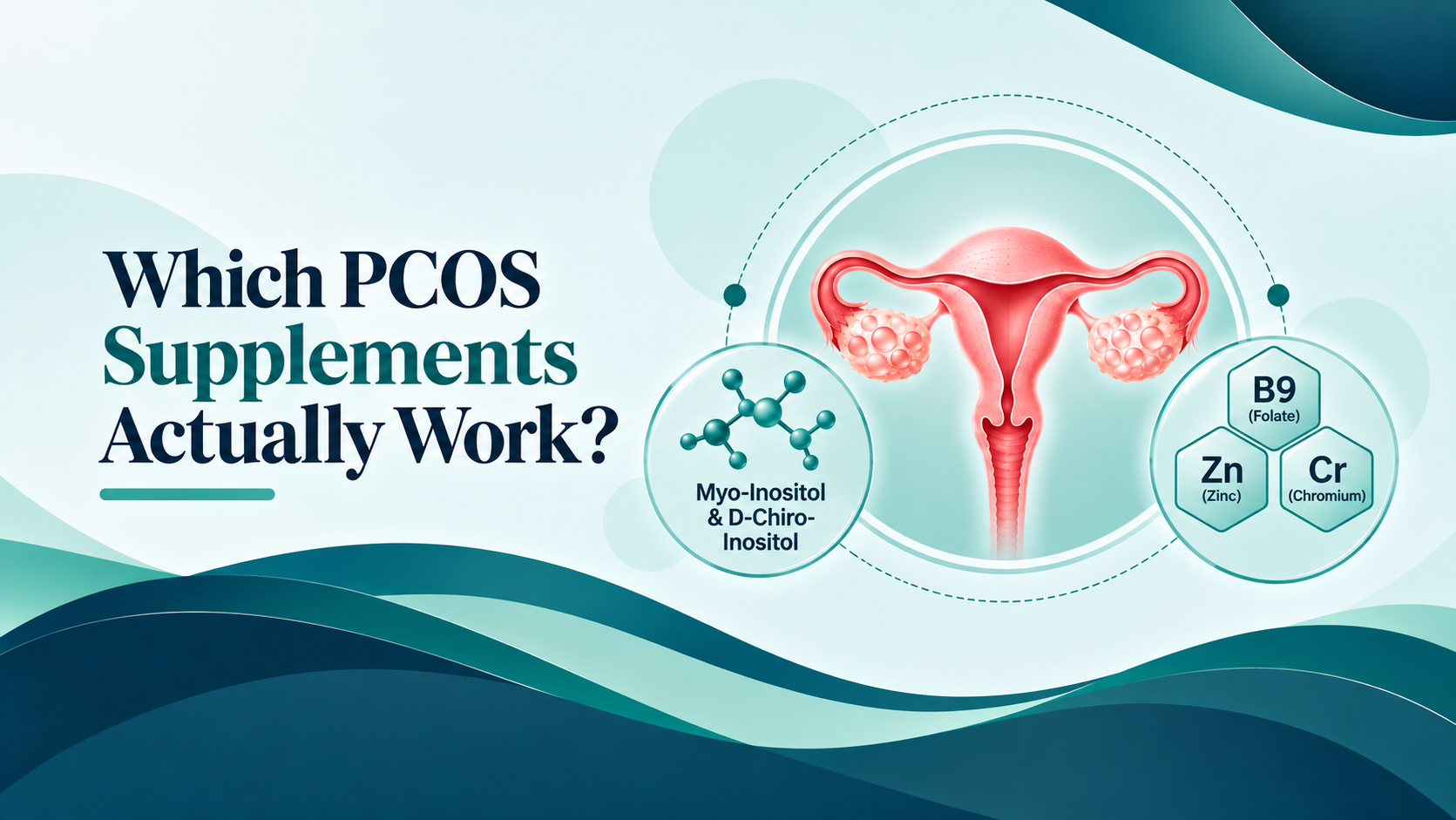
Inositol, folate, zinc, and chromium are commonly discussed as supplements for pcos management. Inositol may improve certain metabolic measures, while folate supports reproductive health. Zinc and chromium have also been studied, but evidence for their PCOS-specific benefits remains limited. The right supplements depend on individual needs, symptoms, and medical guidance.
Irregular periods, acne, and unexpected weight changes can make PCOS frustrating. With so many products promising hormonal balance, which ingredients are actually worth considering?
The answer starts with understanding how PCOS affects your body. At NexGen Health, we explain the science behind commonly used nutrients to help you make informed wellness decisions without relying on exaggerated supplement claims.
Understanding PCOS and Insulin Resistance
Polycystic Ovary Syndrome (PCOS) is a hormonal and metabolic condition that can affect ovulation, menstrual cycles, skin health, and fertility.
Many women with PCOS experience insulin resistance, meaning their cells respond less effectively to insulin. The body may produce additional insulin, which can contribute to increased androgen activity and irregular ovulation.
However, not everyone with PCOS has insulin resistance.
Which Tests Help Diagnose PCOS?
There is no single test that confirms PCOS in every patient.
If you're searching for a pcos test name, your doctor may recommend several investigations to assess hormone levels and exclude other conditions.
| Test | Why It May Be Recommended |
|---|---|
| Testosterone | Checks for elevated androgen levels |
| TSH and Prolactin | Helps exclude other hormonal conditions |
| Pelvic Ultrasound | Assesses ovarian appearance when needed |
| HbA1c or Glucose Tolerance Test | Evaluates blood sugar and metabolic risk |
| Lipid Profile | Checks cholesterol and cardiovascular risk |
Your doctor selects the appropriate pcos test name based on your symptoms and medical history. Diagnosis also considers menstrual patterns and clinical signs, not laboratory results alone.
Inositol: Does the 40:1 Ratio Really Matter?
Inositol is a naturally occurring substance involved in cellular signaling, including pathways related to insulin. Two forms commonly studied in PCOS are myo-inositol and D-chiro-inositol.
Understanding the 40:1 Combination
Some supplements combine these forms in a 40:1 ratio. Researchers have investigated whether this combination improves insulin-related measures, menstrual regularity, and ovulation. However, current evidence does not establish one ratio or dose as universally superior.
When considering supplements for pcos management, it's important to understand that promising research does not guarantee results for everyone. Inositol may be considered alongside established medical care, but it should not replace prescribed fertility or metabolic treatments.
Read our guide to myo-inositol and ovulation support for a closer look at its potential benefits.
Folate, Zinc and Chromium: Benefits and Limitations
These nutrients support different biological functions. Their potential benefits for PCOS should be considered separately rather than assuming a combination works better.
PCOS Supplement Ingredients: Benefits and Studied Dosages
The following amounts represent examples from clinical studies or established nutritional guidance. They are not universal treatment recommendations.
| Ingredient | Studied Amount or General Guidance | Important Consideration |
|---|---|---|
| Myo-Inositol | 2,000 mg twice daily (4,000 mg/day) in some PCOS trials | No universally recommended PCOS dose |
| D-Chiro-Inositol | 50 mg twice daily in some 40:1 combination regimens | The 40:1 ratio is studied, not established as optimal |
| Folic Acid | 400 mcg daily is a common preconception recommendation | Higher doses may be needed for certain medical risks |
| L-Methylfolate (5-MTHF) | No established PCOS-specific dose | Should not automatically replace recommended preconception folic acid |
| Zinc | 30 mg daily of elemental zinc in some small PCOS trials | Adult upper intake limit is 40 mg/day from all sources |
| Chromium Picolinate | 200 mcg daily in some PCOS studies | No established therapeutic dose; benefits remain uncertain |
Important: Dosages used in clinical studies are not necessarily suitable for everyone. Nutritional requirements vary with age, diet, pregnancy plans, medical conditions, and medications. Always review supplement doses with a qualified healthcare professional.
Active Folate vs Folic Acid: What's the Difference?
The comparison of active folate vs folic acid is common in reproductive health supplements. Folic acid is a synthetic form of vitamin B9. L-methylfolate, also called 5-MTHF, is a biologically active form.
Both support folate-related functions, but folic acid has established evidence for reducing neural tube defect risk when taken before conception and during early pregnancy. Common MTHFR gene variants do not automatically mean someone cannot process folic acid.
When evaluating active folate vs folic acid, women planning pregnancy should follow their clinician's recommended folate intake rather than assuming methylfolate is always better.
Can Zinc Help with Acne and Excess Hair?
Zinc supports normal skin function, immune activity, and several enzyme processes. Some small studies have examined its effects on acne and androgen-related symptoms in PCOS. However, evidence remains insufficient to recommend zinc as a proven treatment for hormonal acne or unwanted facial hair.
Excessive supplementation may also cause adverse effects, including copper deficiency.
Chromium and Insulin Resistance
Interest in chromium for insulin resistance in pcos comes from its involvement in normal glucose metabolism. Some studies report improvements in metabolic markers, while others show little benefit. Current evidence does not establish chromium as a reliable treatment for insulin resistance or carbohydrate cravings.
Women taking glucose-lowering medication should consult their clinician before using chromium supplements.
How to Choose PCOS Supplements Safely
Inositol & Nutritional Support
Explore Ovarise PCOS Sachet, formulated with inositol and supporting micronutrients. Review its ingredients and recommended use with your healthcare professional as part of personalized PCOS care.
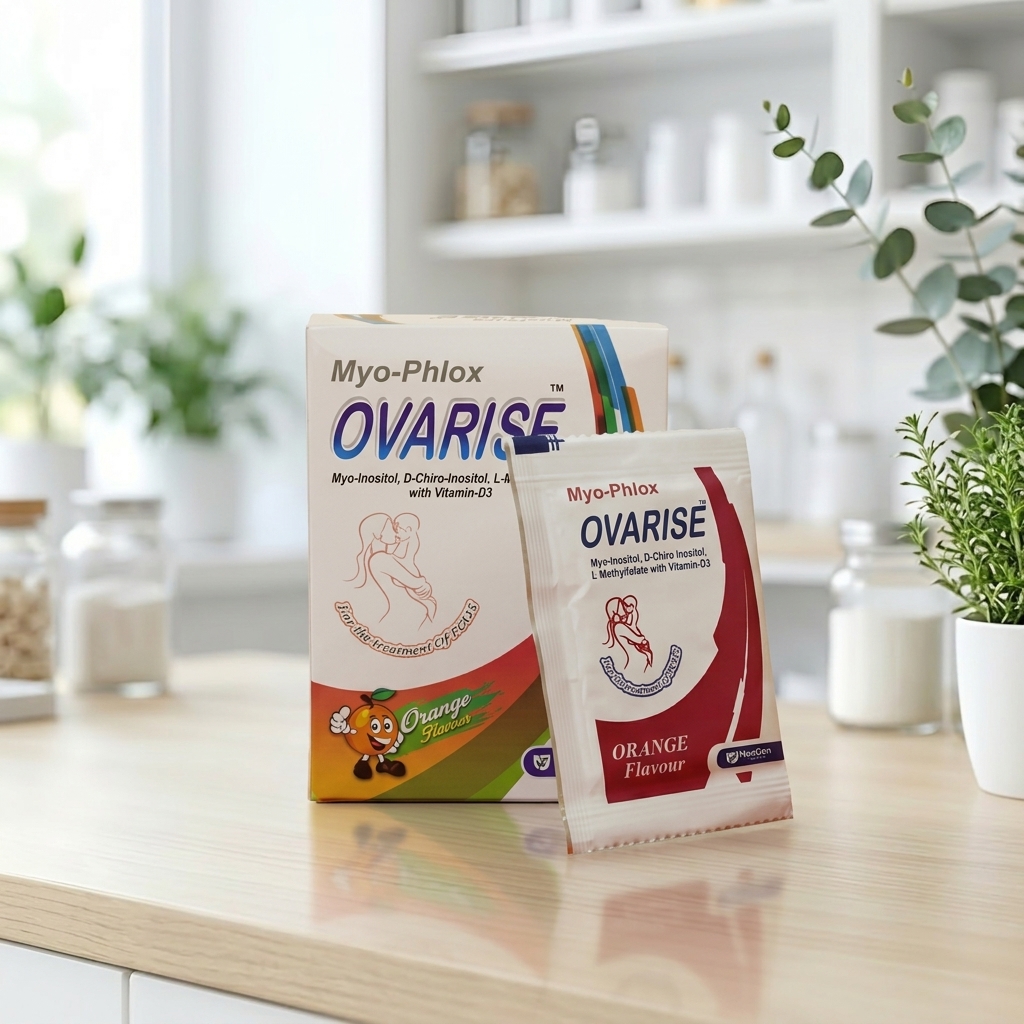
A suitable supplement should address a specific nutritional need or clinical concern. Before purchasing, review the ingredient list, individual doses, manufacturer information, and recommended use.
A formula containing more ingredients is not automatically more effective.
Choose supplements based on your individual needs, not the number of ingredients on the label. Check the dosage and possible medication interactions before starting.
Does Timing or Dosage Matter?
There is no universal schedule for taking all PCOS supplements. Follow the product instructions and your healthcare professional's recommendations. Responses also vary. Some people may notice changes in certain metabolic or menstrual measures, while others experience little benefit.
When evaluating chromium for insulin resistance in pcos, or any other supplement, use appropriate medical follow-up rather than expecting immediate results.
Inositol may offer certain metabolic benefits, while folate plays an established role in reproductive health. Zinc and chromium require more research before they can be recommended routinely for PCOS. Supplement choices should reflect individual needs and clinical guidance.
Lifestyle Habits That Support PCOS Management
Supplements should complement, not replace, established PCOS care.
Nutrition, Movement and Sleep
Balanced meals containing vegetables, protein, fiber, and suitable carbohydrate portions can support metabolic health. Regular physical activity, including walking and resistance exercise, can improve overall well-being and metabolic risk.
Consistent sleep habits also contribute to general health. There is no single diet or exercise routine that works best for everyone with PCOS.
When Medical Treatment Is Necessary
Persistent irregular periods, painful acne, fertility concerns, or abnormal blood sugar results deserve medical evaluation. Depending on individual circumstances, treatment may include hormonal medication, metformin, or fertility-related care.
Read our guide to irregular periods and ovulation problems in PCOS for more information.
Final Thoughts
Managing PCOS requires understanding your symptoms, metabolic health, and nutritional needs. Inositol, folate, zinc, and chromium have different roles, and the evidence supporting their use varies. Choosing appropriate supplements for pcos management means considering potential benefits, limitations, and safety alongside professional advice. Balanced nutrition, physical activity, adequate sleep, and personalized medical treatment remain essential for long-term health.
This article provides general educational information and does not replace medical advice, diagnosis, or treatment. Consult a qualified gynecologist or endocrinologist before starting supplements, especially if you take medication, have diabetes, are pregnant, or are planning pregnancy.