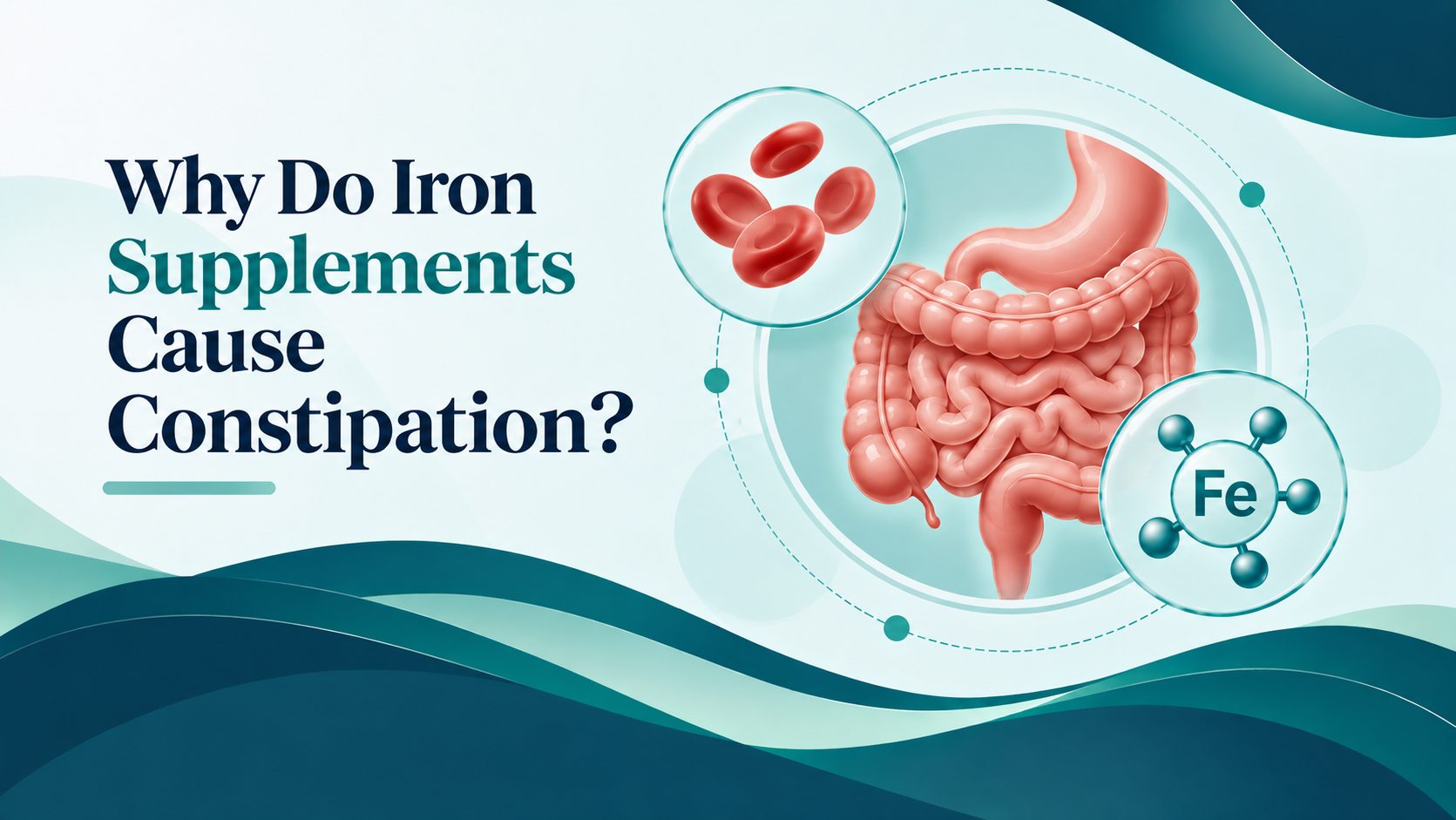
Iron bisglycinate is a form of iron bound to the amino acid glycine. Some studies suggest it may cause fewer digestive side effects than traditional iron salts, such as ferrous sulfate. However, no iron supplement is guaranteed to prevent constipation. The right choice depends on your iron levels, prescribed dose, medical history, and individual tolerance.
Feeling exhausted even after a full night's sleep? Struggling with dizziness, poor concentration, or unusual hair shedding? Low iron could be one possible explanation. But for many people, treating iron deficiency creates another problem: stomach discomfort from iron tablets.
Recognizing Iron Deficiency and Low Ferritin
Iron is essential for producing hemoglobin, the protein that helps red blood cells transport oxygen throughout your body. When iron stores become depleted, your body may struggle to produce enough healthy red blood cells.
Common Signs of Low Iron
Iron deficiency symptoms vary depending on the severity and duration of the deficiency.
Possible signs include:
- Persistent fatigue: Feeling unusually tired or physically weak.
- Dizziness: Experiencing lightheadedness, particularly during activity.
- Shortness of breath: Becoming breathless more easily than usual.
- Pale skin: Noticing reduced color in the skin or inner eyelids.
- Hair shedding and brittle nails: Changes that may occur with prolonged deficiency.
These symptoms can have other causes, so blood tests are important before starting treatment.
What Does a Ferritin Test Tell You?
Ferritin is a protein that stores iron inside your body. A serum ferritin blood test helps doctors assess your iron reserves. Low ferritin often indicates depleted iron stores, even before anemia develops.
A complete blood count (CBC) provides additional information, including hemoglobin levels. However, ferritin can rise during inflammation, so doctors may interpret it alongside other blood tests.
What Causes Low Ferritin?
Common low ferritin causes include heavy menstrual bleeding, inadequate dietary iron, pregnancy-related requirements, gastrointestinal blood loss, and conditions that reduce iron absorption.
Tea or coffee consumed with iron-rich meals may also reduce absorption, but they are not necessarily the main reason someone develops a deficiency. Identifying the underlying cause is important because supplements alone may not prevent the problem from returning.
Why Do Iron Tablets Cause Constipation?
Traditional iron supplements commonly contain ferrous sulfate, ferrous fumarate, or ferrous gluconate. These formulations can effectively treat iron deficiency, but some people experience digestive discomfort.
How Iron Affects Digestion
Not all the iron in a supplement is absorbed. Unabsorbed iron can remain in the digestive tract and contribute to symptoms such as:
- Constipation or harder stools
- Nausea and stomach discomfort
- Diarrhea in some individuals
- Dark-colored stools
Side effects can depend on the dose, formulation, and individual sensitivity. If constipation makes it difficult to continue treatment, a clinician may recommend changing the formulation, dose, or dosing schedule.
Iron Bisglycinate vs Ferrous Sulfate: What's the Difference?
Iron bisglycinate is a chelated form of iron. This means iron is chemically bound to glycine, an amino acid. Its structure differs from conventional iron salts and may influence absorption and digestive tolerance.
Comparing Common Iron Supplements
| Feature | Iron Bisglycinate | Ferrous Sulfate |
|---|---|---|
| Form | Iron bound to glycine | Traditional iron salt |
| Absorption | May offer good absorption at suitable doses | Effective and well-established |
| Digestive Tolerance | May cause fewer side effects in some people | Constipation and nausea are relatively common |
| Elemental Iron | Depends on the formulation | Approximately 20% of ferrous sulfate by weight |
| Clinical Use | An alternative when appropriate | Common first-line treatment for iron deficiency |
The comparison of iron bisglycinate vs ferrous sulfate is not simply about which ingredient absorbs more. The amount of elemental iron, treatment schedule, underlying deficiency, and ability to continue taking the supplement all matter.
Can Chelated Iron Prevent Constipation?
Some research suggests that iron bisglycinate may be better tolerated than certain conventional formulations. However, describing it as an iron supplement without constipation would be misleading because digestive side effects are still possible.
Its potential advantage is improved tolerability for some users, not a guarantee of symptom-free treatment.
A supplement labeled “iron bisglycinate” may contain a different amount of elemental iron than its total compound weight. Always check the actual elemental iron per serving.
How to Take Iron for Better Absorption
Choosing an appropriate formulation is important, but everyday habits can also influence iron absorption.
Should You Take Iron with Vitamin C?
Vitamin C can improve the absorption of non-heme iron, particularly iron from plant-based foods. However, research does not consistently show that everyone taking oral iron needs an additional vitamin C supplement.
Eating vitamin C-rich foods such as oranges, guava, or tomatoes alongside iron-rich meals is a practical option.
Tea, Coffee, and Calcium
Tea and coffee contain compounds that can reduce non-heme iron absorption when consumed around the same time. Calcium supplements and certain medications may also interfere with iron absorption.
If your clinician recommends oral iron, follow the prescribed timing instructions and ask whether it should be separated from tea, coffee, calcium, or other medicines.
Should Iron Be Taken on an Empty Stomach?
Iron is often absorbed better on an empty stomach, but this can increase digestive discomfort. Some people tolerate it better with food, although absorption may be reduced. The best approach depends on the formulation and medical advice.
Iron bisglycinate may be a gentler option for some people, but ferrous sulfate remains an effective treatment. The best supplement is one that provides an appropriate elemental iron dose, is reasonably tolerated, and successfully improves iron levels under medical supervision.
Choosing the Right Iron Supplement
Gentle Iron & Active Folate Support
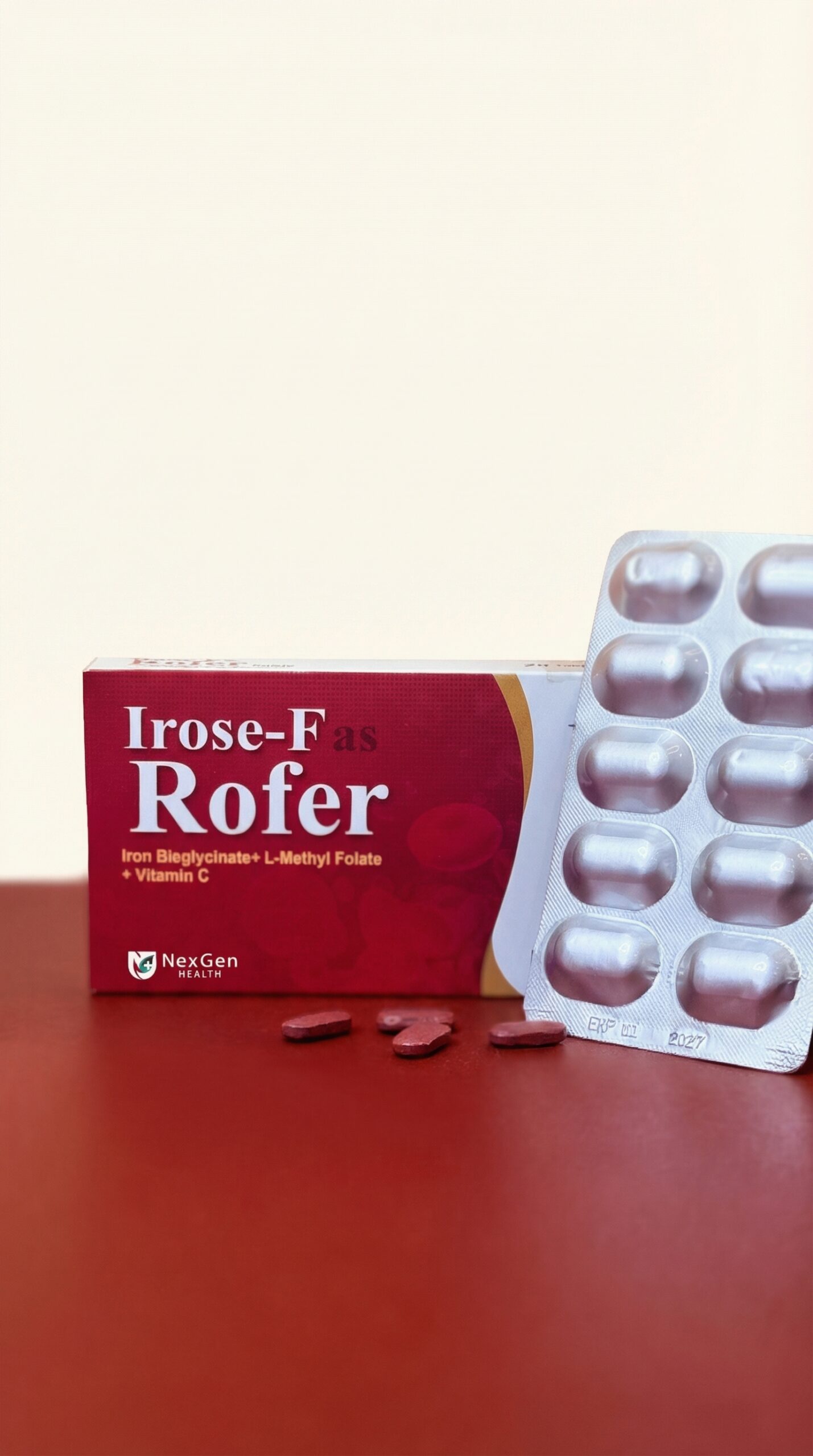
Explore Irose-F Tablets, formulated with iron bisglycinate, L-methylfolate, and vitamin C to support healthy red blood cell formation and iron intake. Consult your healthcare professional before use.
Before purchasing an iron supplement, consider your test results, nutritional needs, and digestive tolerance.
What Should You Check on the Label?
Look for the type of iron, elemental iron per serving, recommended use, and any additional ingredients. An iron supplement without constipation cannot be guaranteed, regardless of its formulation.
If traditional tablets cause discomfort, discuss alternatives with your healthcare professional rather than stopping treatment without guidance.
How Long Does Iron Treatment Take?
Some people notice improved energy within several weeks, but recovery depends on the severity and cause of deficiency. Hemoglobin may improve before iron stores are fully replenished. Treatment often continues for several months, with repeat blood tests used to assess progress.
Do not increase your dose to accelerate recovery. Excess iron can be harmful.
When Should You See a Doctor?
Seek medical evaluation for persistent fatigue, recurrent iron deficiency, heavy menstrual bleeding, or unexplained low ferritin. Iron deficiency in men and postmenopausal women particularly requires assessment for possible gastrointestinal blood loss.
During pregnancy, iron requirements and treatment decisions should be guided by a qualified healthcare professional. For women experiencing menstrual irregularities, our guide to Irregular Periods in PCOS provides additional educational information.
Final Thoughts
Iron deficiency can affect energy, concentration, and everyday well-being, but treatment should not create unnecessary digestive discomfort. Understanding iron bisglycinate vs ferrous sulfate can help you discuss suitable options with your healthcare professional.
Rather than choosing a supplement based on promises of superior absorption or zero side effects, focus on confirmed iron deficiency, appropriate dosing, digestive tolerance, and follow-up blood tests.
At NexGen Health, we encourage informed supplement choices supported by realistic expectations and professional guidance.
This article is intended for general educational purposes and does not replace medical advice, diagnosis, or treatment. Iron supplements should be used according to individual medical needs. Consult a qualified healthcare professional before starting supplementation, particularly during pregnancy or when taking prescription medication. Seek urgent medical attention for chest pain, fainting, severe breathlessness, or significant bleeding.