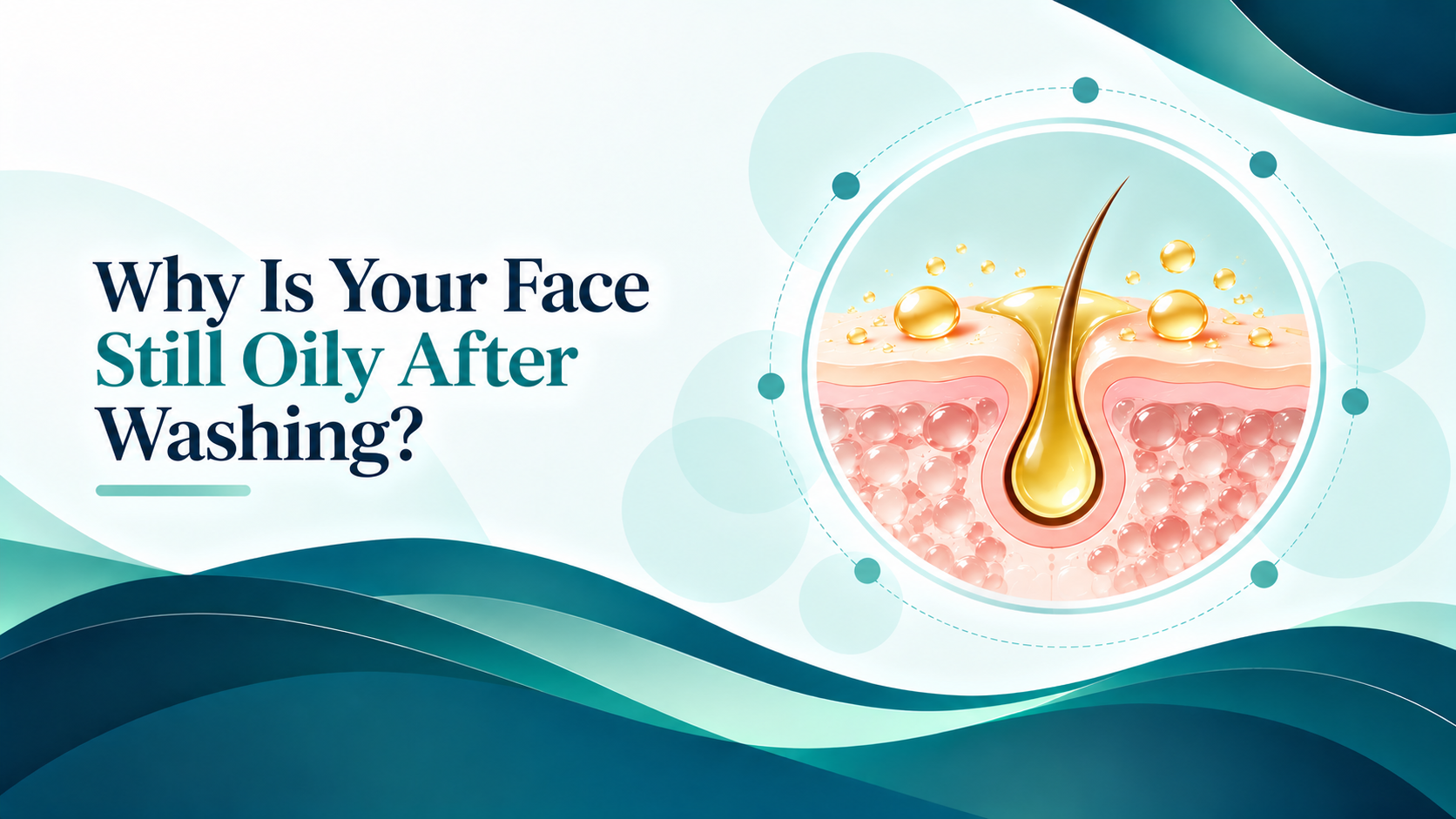
The best cleanser for oily skin removes excess oil, sweat, and impurities without leaving your face dry or irritated. Gentle foaming cleansers are often suitable, while salicylic acid formulas may help with clogged pores and blackheads. The right choice depends on your skin's sensitivity, acne concerns, and daily routine. Effective cleansing should leave your skin comfortable, not excessively tight.
You wash your face before leaving home, yet your forehead and nose look shiny again by lunchtime. Does this mean your cleanser isn't working?
Not necessarily. Your skin produces oil naturally throughout the day. Washing removes existing surface oil but cannot permanently stop your oil glands from working. Understanding why your face becomes oily can help you choose suitable skincare products without damaging your skin's protective barrier.
Why Does Your Face Become Oily So Quickly?
Your skin contains tiny glands called sebaceous glands. They produce sebum, a natural oily substance that lubricates the skin and contributes to its protective barrier.
What Controls Sebum Production?
Sebum production is influenced mainly by genetics, hormones, and age. Hormones called androgens stimulate sebaceous glands, particularly during puberty. Hormonal fluctuations can also affect oil production later in life.
Hot weather makes oiliness more noticeable because sweat mixes with sebum. However, sweating does not necessarily mean your glands are producing more oil.
Oily Skin vs Dehydrated Skin
Oily skin and dehydrated skin are not the same.
- Oily skin: Produces more sebum, often creating visible shine.
- Dehydrated skin: Lacks sufficient water in its outer layers, causing tightness or flaking.
Your face can therefore feel greasy while certain areas remain dehydrated. A gentle facial cleanser for oily skin should remove unwanted buildup without leaving your skin uncomfortable.
Does Overwashing Increase Oil Production?
Harsh cleansing can disrupt the skin barrier, leading to dryness and irritation. However, there is limited evidence that removing oil automatically makes your glands produce more sebum.
The bigger concern is irritation caused by excessive washing. If your face feels tight after cleansing, consider using a gentler formula or washing less frequently.
How to Choose the Right Cleanser for Oily Skin
Cleansers contain ingredients called surfactants. These help loosen oil, dirt, and sunscreen so they can be rinsed away with water. Different formulations vary in texture, cleansing strength, and suitability for sensitive skin.
Which Cleanser Type Should You Choose?
| Cleanser Type | How It Works | Best Suited For |
|---|---|---|
| Gentle Foaming Gel | Removes surface oil and daily impurities | Oily skin needing regular cleansing |
| Salicylic Acid Cleanser | Exfoliates and helps clear clogged pores | Blackheads and acne-prone skin |
| Hydrating Cream Cleanser | Cleans while helping limit dryness | Oily but dehydrated skin |
| Fragrance-Free Cleanser | Reduces exposure to added fragrance | Sensitive or easily irritated skin |
Foaming gels often feel refreshing, but more foam does not necessarily mean better cleansing. Cream cleansers can also work for oily skin, especially when dryness or sensitivity is present.
Which Ingredients Should You Look For?
A suitable skin cleanser for oily skin may contain ingredients that help manage clogged pores, maintain hydration, or support the skin barrier.
| Ingredient | How It Works | Best Suited For |
|---|---|---|
| Salicylic Acid (BHA) | Helps remove dead skin cells and loosen buildup inside pores | Blackheads and clogged pores |
| Niacinamide (Vitamin B3) | Supports the skin barrier and may help reduce visible oiliness | Oily and combination skin |
| Ceramides | Help replenish protective lipids within the skin barrier | Oily skin that also feels dry or sensitive |
| Hyaluronic Acid | Attracts and holds water in the outer skin layers | Dehydrated skin |
| Glycerin | Helps draw moisture into the skin and maintain hydration | Most skin types |
A cleanser does not need every ingredient listed above.
For example, salicylic acid may be useful for blackheads, while a gentle ceramide-containing formula may suit sensitive skin better. Also, ingredients in rinse-off cleansers have limited contact time. Their benefits may differ from leave-on skincare products.
Which Ingredients Require Caution?
Strong fragrances, abrasive scrubs, and overly aggressive cleansing formulas can irritate sensitive skin. Some alcohol-containing products may also feel drying.
However, not every sulfate, alcohol, or oil-based ingredient is harmful. The overall formulation matters more than avoiding ingredients based solely on their names.
Exfoliating Care for Oily Skin
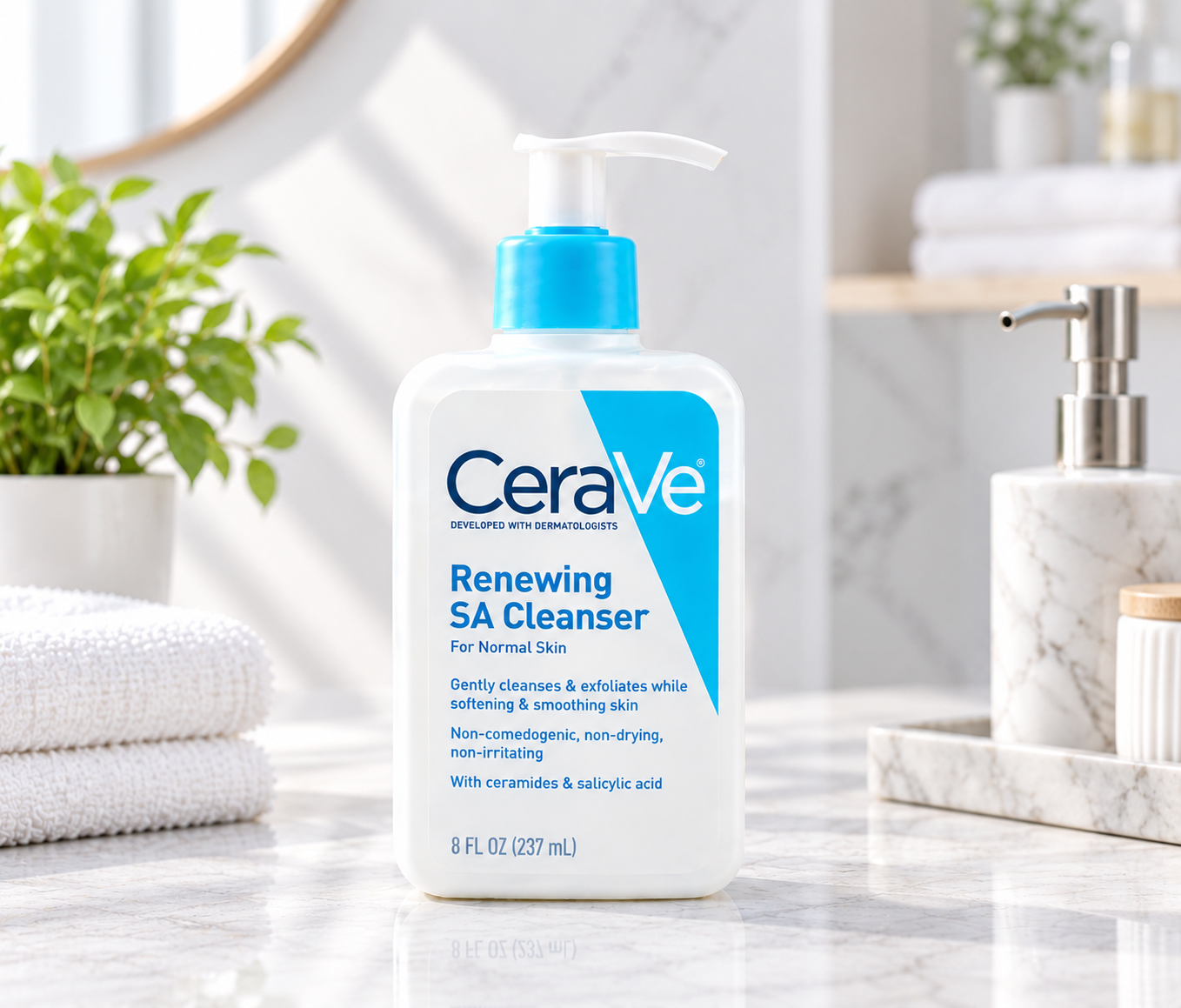
Formulated with salicylic acid, ceramides, and niacinamide, CeraVe Renewing SA Cleanser helps exfoliate dead skin cells and remove buildup while supporting the skin's natural moisture barrier.
How Pakistan's Climate and Water Affect Oily Skin
Weather, sweating, pollution, and water quality can influence how your skin feels after cleansing.
Summer Heat, Sweat, and Pollution
During hot Pakistani summers, sweat can mix with sebum, making your face feel sticky. Dust and airborne particles may also accumulate on exposed skin. A gentle evening cleanse helps remove this buildup without unnecessary scrubbing.
If you sweat heavily after exercise, an additional gentle rinse or cleanse may be appropriate.
Does Hard Water Affect Your Skin?
Hard water contains higher concentrations of minerals, mainly calcium and magnesium. These minerals can interact with certain cleansing ingredients and affect rinsing. Some people notice dryness or residue after washing with hard water.
However, water quality varies between households, so the effects are not identical everywhere.
Your face should feel fresh after washing, not tight or dry. If it does, your cleanser may be too harsh. Choose a gentler formula and moisturize afterward.
Is the 60-Second Cleansing Rule Necessary?
There is no universal dermatological requirement to wash your face for exactly 60 seconds. Gently massage your cleanser according to its instructions, then rinse thoroughly with lukewarm water.
Avoid vigorous rubbing or leaving exfoliating cleansers on longer than recommended.
A Simple Morning and Night Routine for Oily Skin
Managing oily skin does not require an elaborate skincare routine. Gentle cleansing, suitable moisturizing, and daily sun protection are useful starting points.
Morning: Cleanse, Hydrate, and Protect
- Cleanse: Use a gentle face wash for oily face concerns, or rinse with water if appropriate for your skin.
- Moisturize: Apply a lightweight, non-comedogenic moisturizer.
- Protect: Use broad-spectrum SPF 30 or higher sunscreen on exposed skin.
Non-comedogenic products are formulated to be less likely to clog pores, although individual responses vary. Even oily skin benefits from regular moisturizing and sunscreen.
Evening: Remove Sunscreen and Daily Buildup
Wash away accumulated oil, sweat, sunscreen, and impurities. If you wear heavy makeup or water-resistant sunscreen, a makeup remover before cleansing may help.
Double cleansing is optional rather than necessary for everyone. Finish with a lightweight moisturizer to maintain hydration.
How Often Should You Use Salicylic Acid?
Salicylic acid helps exfoliate inside pores, making it useful for certain blackheads and acne concerns. However, frequent use may cause dryness or irritation.
Start cautiously according to the product instructions and your skin's tolerance. Avoid combining several exfoliating products unnecessarily.
Oily skin needs effective cleansing without unnecessary irritation. Washing repeatedly or using strong exfoliating products may leave your face dry and sensitive. A simple routine of gentle cleansing, lightweight moisturizing, and daily sunscreen is often a better starting point than adding multiple oil-control products.
Common Mistakes That Can Make Oily Skin Uncomfortable
Even a suitable cleanser may not work well when paired with irritating skincare habits.
1. Washing Too Frequently
Repeated washing can remove protective lipids and increase dryness. For many people, cleansing morning and evening is sufficient, with adjustments for heavy sweating.
2. Skipping Moisturizer
Sebum and water perform different functions in the skin. A lightweight moisturizer helps maintain hydration without necessarily creating a greasy finish.
3. Expecting Cleansers to Treat Every Breakout
A cleanser removes surface impurities, and certain formulas may help mild acne concerns. However, persistent inflammatory acne may require additional treatment. Deep, painful pimples or acne scarring should be assessed by a dermatologist.
4. Switching Products Too Quickly
Changing cleansers every few days makes it difficult to evaluate their suitability. Give a well-tolerated product time, but stop using it if significant irritation develops.
Final Thoughts: Clean Skin Should Still Feel Comfortable
A shiny forehead does not automatically mean your cleanser has failed. Your sebaceous glands naturally continue producing oil throughout the day. The goal is to remove unwanted buildup while maintaining your skin's protective barrier.
Choose a suitable cleanser for oily skin, avoid excessive washing, and follow a simple routine with moisturizer and sunscreen. At NexGen Health, we encourage informed skincare choices based on ingredients, skin concerns, and realistic expectations.
This article provides general educational information and does not replace professional dermatological advice. Patch-test unfamiliar skincare products before regular use. Discontinue products that cause significant irritation, and consult a qualified dermatologist for persistent acne, painful breakouts, or ongoing skin discomfort.